Podcast Episode 696: Fire Prevention, Heat Pumps and Extreme Temperatures, and Rain in Gable Vents
Listeners write in about how to prevent house fires and preservation carpentry and ask questions about heat pumps and rain through gable vents.
Welcome to the Fine Homebuilding podcast, our weekly discussion of building, remodeling, and design topics aimed at anybody who cares deeply about the craft and science of working on houses. This is senior editor Patrick McCombe. I’m joined by Fine Homebuilding editorial advisor Mike Guertin, Fine Homebuilding associate editor Grant Baver, and producer Cari Delahanty. Please email us your questions to [email protected].
You can find previous podcasts and check out the show notes at finehomebuilding.com/podcast.
Check In:
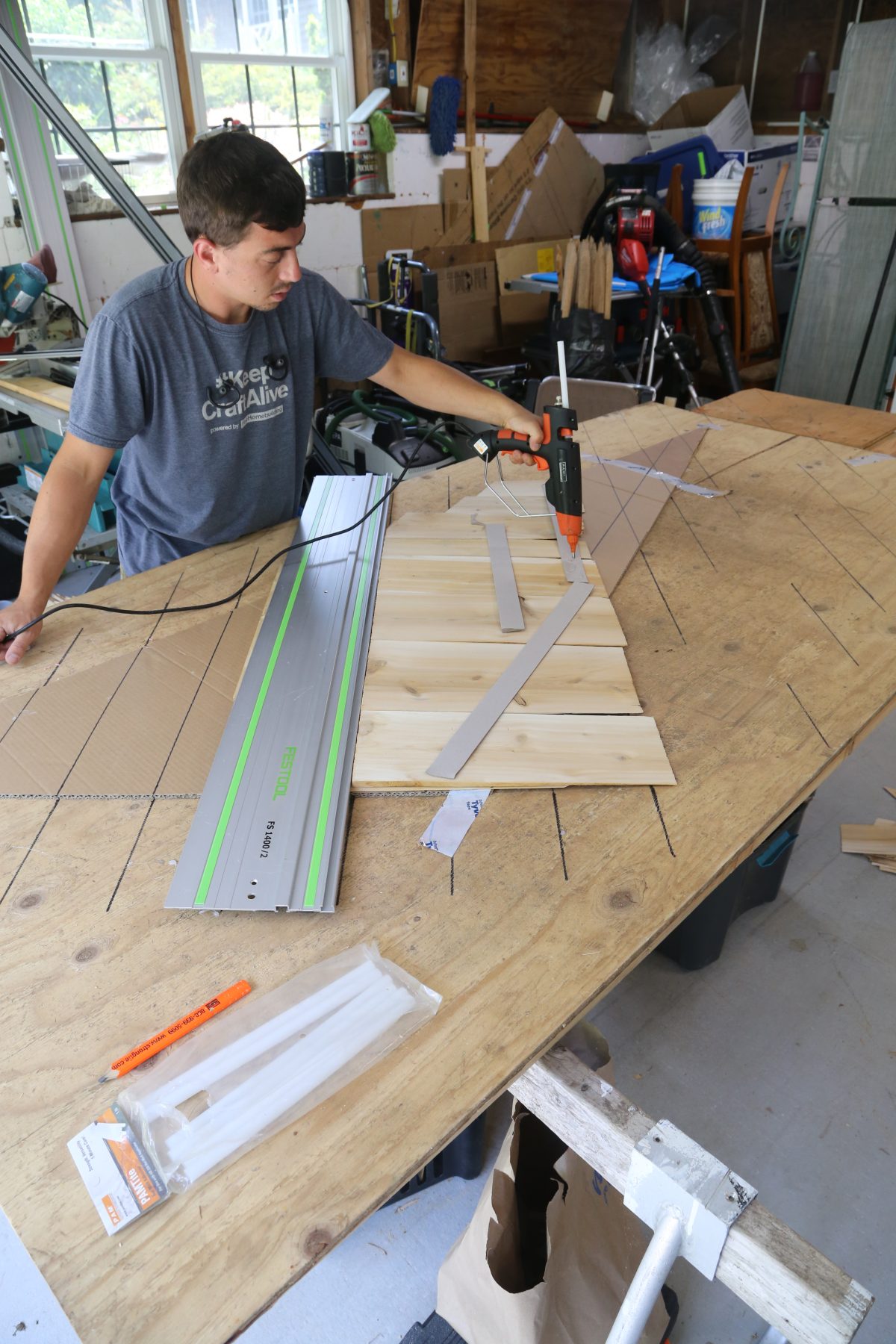
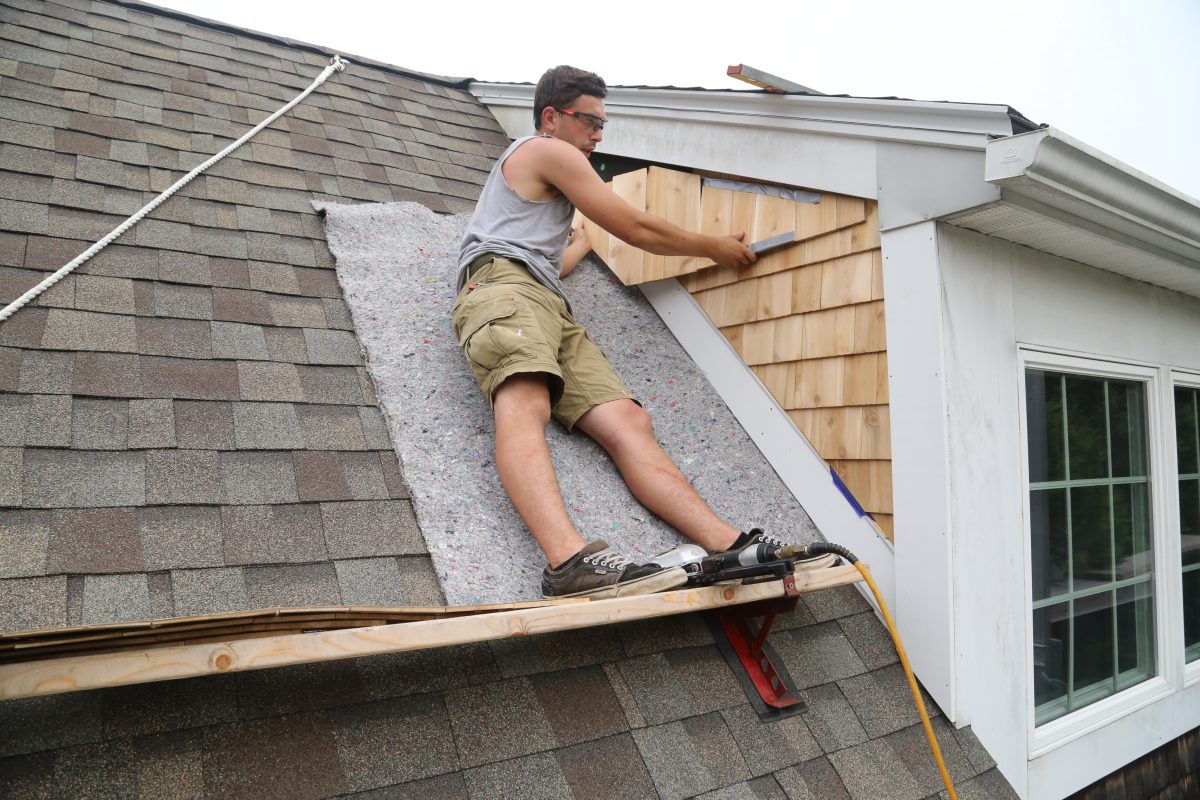
Mike: Shingling shed dormers
 |
 |
Grant: FHB article about installing giant patio doors, selecting windows
Patrick:
TradesUp pop up event
David Wittner’s upcoming craft shows:
- Old Franklin Day Craft Fair, Franklin NY August 31st
- Old Deerfield Fall Arts and Crafts Festival, Deerfield, MA September 20, 21
Listener Feedback 1:
Jim from Cleveland writes:
FHB Podcasters,
That was a great conversation to follow up on Grant’s expertly written article “Fight House Fires Through Design” in FHB #332. When we were building our house with an ICF foundation, the local building department reviewed the plans for the basement. They specifically called out section R302.13, which requires that engineered floor systems be covered by at least 1/2-in. drywall. However, they were completely neutral on covering the roughly 2000 sq. ft. of exposed-ICF basement walls. I was surprised, as I have to imagine Grant could describe the horrific amounts of toxic smoke generated if this surface was not protected from flame. I covered it anyway, not only as a matter of safety for our local fire department but also because my family lives in this house! It was easy to glue and screw the drywall to the ICF and tape the joints. It’s a much better finish anyway, and the time to do it is during construction, not after you move all your junk into the basement.
Thanks for the continued effort to produce a great podcast each week. I also value and enjoy getting the magazine again. You have uncanny editorial timing in providing great nuggets of wisdom just weeks before I’m about to embark on a related project. Case in point: the photo from Gary Streigler’s article “Seating and Storage for any Space” showing how he uses a small V-groove bit to produce a clean reveal between the cabinet face and plywood box. This one photo alone is worth the annual subscription cost to me. I’d be embarrassed to describe how I attempt the same reveal on my cabinet boxes and face frames. The value of seasoned craftspeople sharing their knowledge is a joy to read and see. Everyone wins when we share information, and I’m sure Grant’s article will elevate the safety of projects your readers are building.
Keep up the best-guessery!
Jim
Listener Feedback 2:
Josh writes:
Hi FHB Podcast,
I’m a preservation carpenter in NYC. I’m also a member of the Preservation Trades Network and this year I’m serving on its membership committee, drumming up sponsors and attendees for our annual event, The 2025 International Preservation Trades Workshop (September 11-13 at Fort Snelling in St. Paul, Minnesota).
I’ve thought about writing to you guys a few times—first after an episode where you talked about trade shows, and more recently after episode 671, when you spoke about Tom Gensmer repairing modern Marvin windows. (Did that article ever come out? See “Repairing a Modern Window Sash.“) Most of my work is on 19th-century sashes, but I’m always curious about the repairability of modern systems.
A lot of work I get called on to do is due to the damage caused by modern materials that are incompatible with historic building fabric. I do a lot of bouncing back and forth between reading about historic and modern building methods, trying to figure how to balance the two, and FHB is a great resource. I’ve always found it surprising how little conversation there is between modern builders and the preservation trades, so I wanted to extend an invitation to FHB and any of your listeners in the Twin Cities to come check out the event.
Let me know if you want any additional info on the organization or the workshop. Thanks as always for the pod.
Best,
Josh
RELATED STORIES
- Introduction to Timber Framing by Ted Benson
- Restore an Old Window Sash
- Sarah Vadney, Historic Preservationist
- Preservation Meets Today’s Tastes & Modern Lifestyle
Question 1: Can it get too hot for a heat pump to work effectively?
Russ writes:
Hey Mike,
I had a Mitsubishi heat pump system installed at my house several years ago to replace the window shakers we used for years. The outdoor unit is an H2 and serves three indoor units. I got a 22-SEER-rated system (the best they had at the time) that’s supposed to provide efficient heat delivery down to about -15˚F. We got blasted with high heat this week, and it seemed like the system was having trouble keeping up. I didn’t expect that since the system was designed for heating and technically is oversized on the cooling capacity. Do you know if modern heat pump equipment has a maximum outdoor temperature beyond which the cooling efficiency peters out? I know they install these in southern climates with regularly hotter temps than we get here, so I figured they’d handle Minnesota temps. Perhaps the systems designed to work at very cold temperatures don’t work well at cooling when it’s very hot out, and instead they use equipment designed for higher efficiency at higher temperatures. I figured you’d know something about this or perhaps you know someone who would.
Thanks.
Russ
RELATED STORIES
- Critical Details for Ductless Heat Pumps
- Heating Historic Houses With Heat Pumps
- GBA.com: Heat Pump Basics
Question 2: How can I make my gable vents rainproof?
Shirley writes
Hi Patrick,
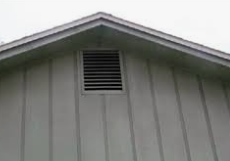
I live in an old two-story farmhouse. It has a passive vent (as shown in the picture below). Wind-blown rain and snow got in through the vent and stained the upstairs ceiling. Part of the attic is accessible, but the other part has no entry. Would you please offer advice as to how to prevent snow and rain from getting in the vents? Thank you.
Shirley
RELATED STORIES
Sign Up for a Fine Homebuilding All Access Membership Today!
Thanks to Mike, Grant, and Cari for joining me and thanks to all of you for listening. Remember to send us your questions and suggestions to [email protected] and please like, comment, or review us no matter how you’re listening–it helps other folks find our podcast.
Happy Building!
Fine Homebuilding Recommended Products
Fine Homebuilding receives a commission for items purchased through links on this site, including Amazon Associates and other affiliate advertising programs.

Reliable Crimp Connectors

Affordable IR Camera
8067 All-Weather Flashing Tape