Common Door Problems
An introduction for do-it-yourselfers to assessing an uncooperative door and taking steps to fix it.

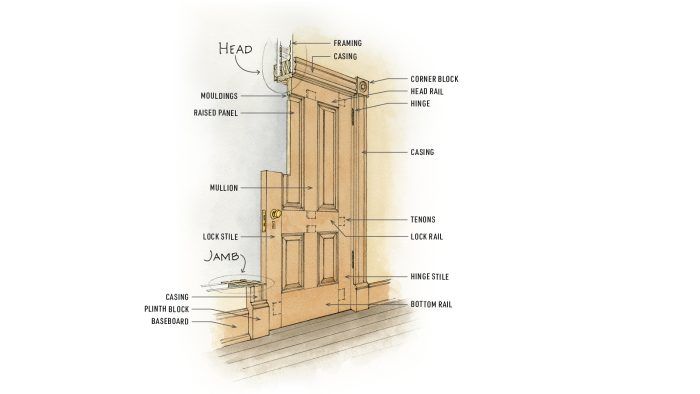
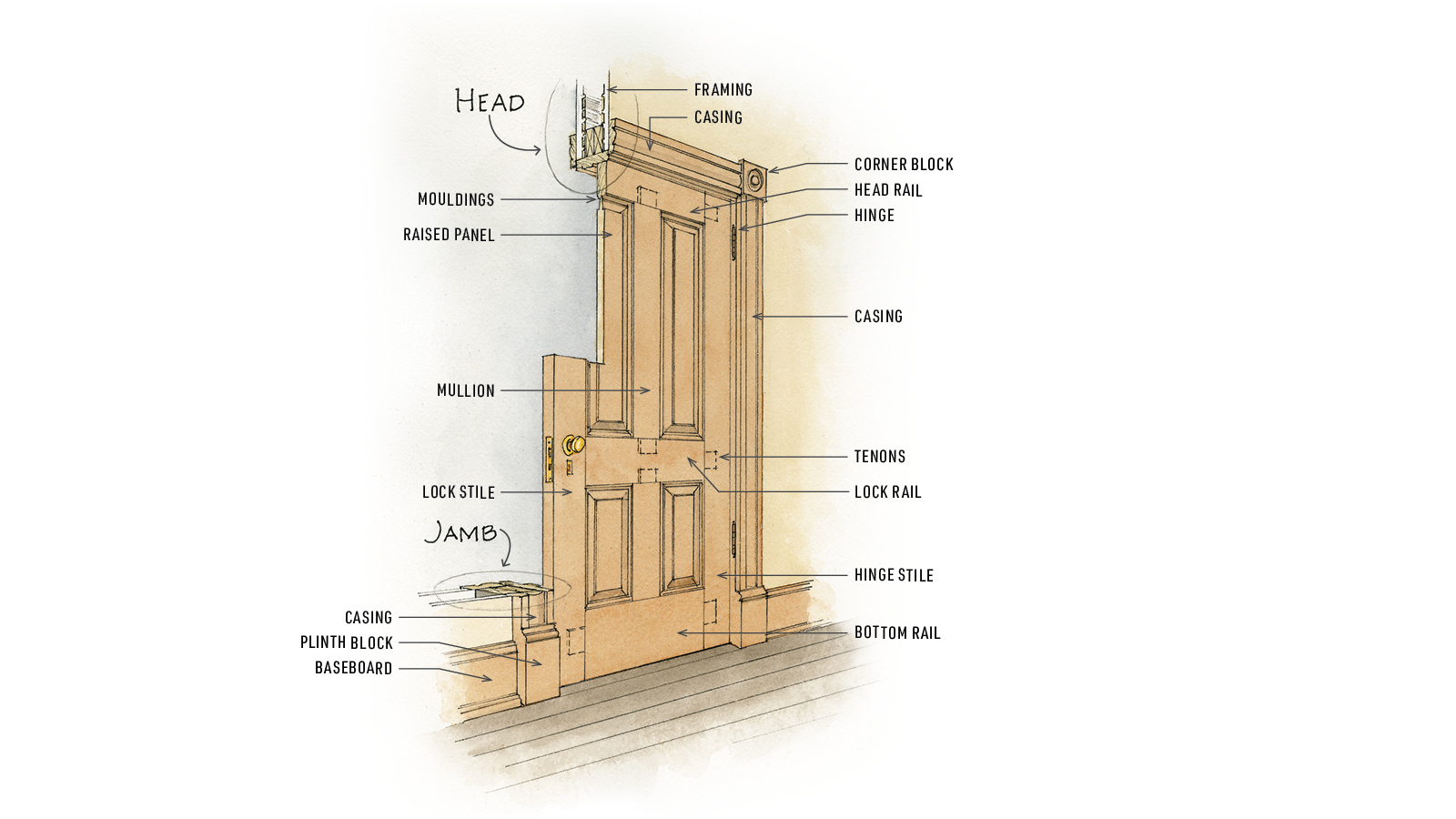
Doors that stick, drag, or refuse to close properly can be more than just an annoyance — they often hint at underlying issues with hinges, frames, or seasonal movement. In this practical guide from Old House Journal, the editors break down the most common door alignment problems, explain what causes them, and offer clear step-by-step solutions. Whether the culprit is swelling wood, worn hinge pins, or a house that has settled over time, you’ll find straightforward fixes to get your doors swinging smoothly again.
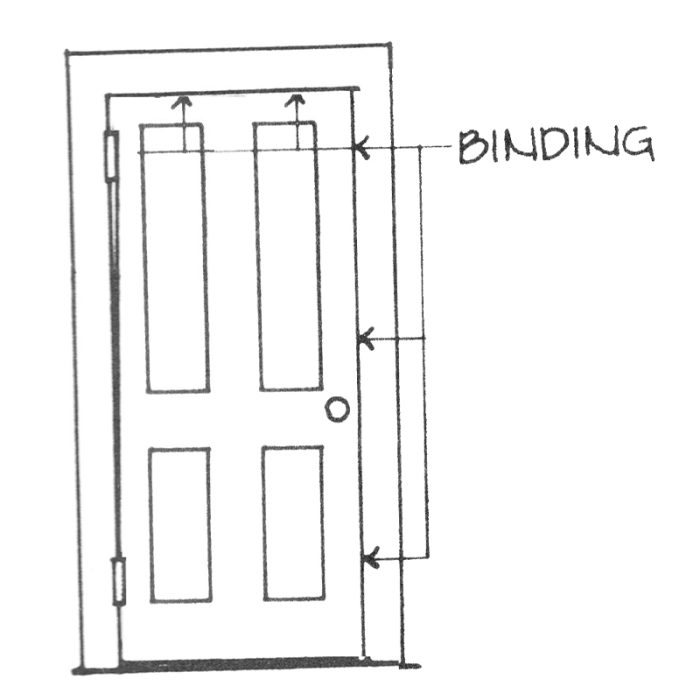
Problem 1: Door Binds Evenly Along Latch Side and Head
Paint BuildupRemove excess paint with heat or chemical removers. If the paint flakes off, simply pull a sharp paint scraper along the length of the mating surfaces. Be careful not to gouge or otherwise damage the door or jamb, especially if you intend to strip and refinish. Seasonal ExpansionThis causes the door to swell during humid periods, making it difficult or impossible to close. Plane the door during the peak of the humid season. |
 |
| The Pro Tip: When planing is necessary, first remove paint from the surface. Keep your tools very sharp; set the blade for a shallow cut. |
Problem 2: Door Binds on Latch Side of Head With a Gap at Floor
| The top rail of a door is usually narrower than the bottom and more a focal point. Planing it to follow the slope of the head may leave it unsightly and distorted. If you have to remove a lot of material, you could even expose the tenon, weaking the door. Instead, follow the procedure for a door with a gap at the top (3). You may have to reframe the door. | 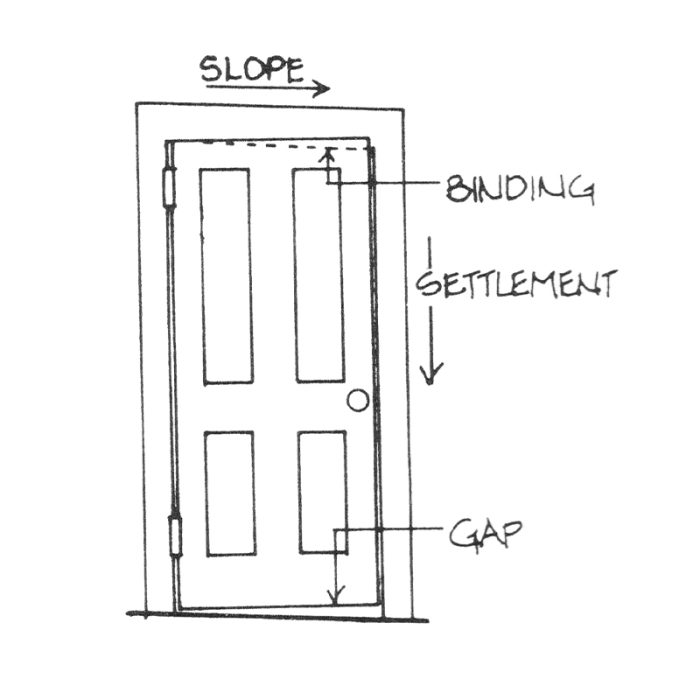 |
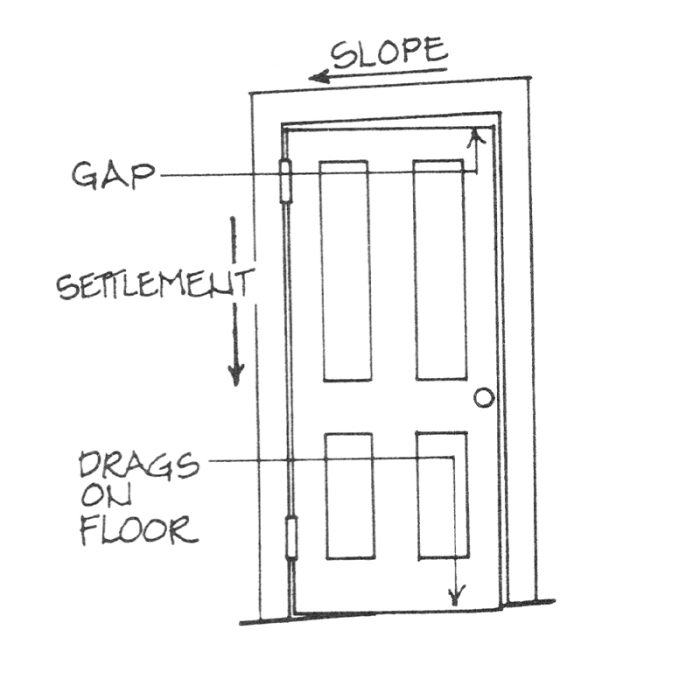
Problem 3: Door Drags on Floor With Gap on Latch Side of Head
| Building settlement is most often the cause of a dragging door. A gap between the door and the head differentiates this problem from a simple loose hinge as the cause. Check the squareness of the door opening by putting a level on the head and along both sides of the jamb. An old building usually settles downward with only secondary lateral movement (leaning); usually the head is furthest out of alignment.
If the gap at the top is small enough that the door still meets the stop on the jamb head, plane the bottom of the door. If you can look right through the gap into the next room with the door closed, reframe the door, which requires removing the side jambs and head jamb to start from scratch. At this point you may want to hire a carpenter. |
 |
Problem 4: Door Binds Along Top of Latch Side and/or at the Floor
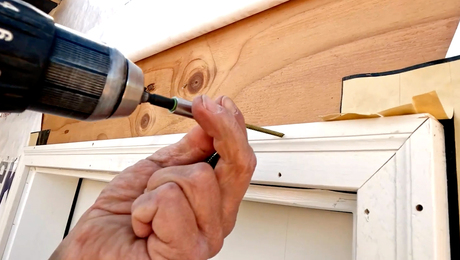
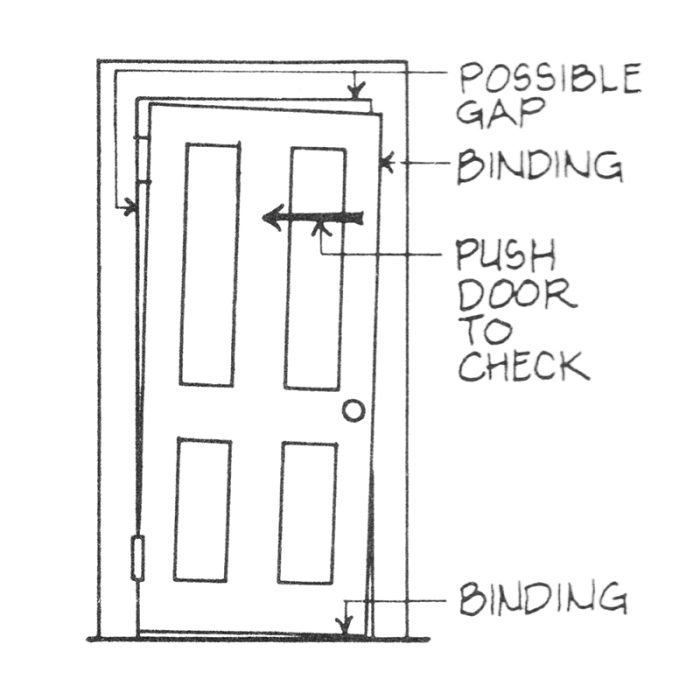
Loose Upper HingeOpen the door partway and push the top in toward the jamb while lifting up on the doorknob. If the hinge moves, it may be loose enough to allow the door to sag and bind against the jamb, or drag on the floor. If the hinge leaves move within their mortises, tighten the screws. For stripped screw holes, resecure the leaf that contacts the door to the stile using longer screws. (Longer screws won’t work to secure the leaf mortised into the jamb because the jamb is only about ¾” thick.) When driving the new screws, make sure they go in straight so the flat heads sit flush with the face of the hinge. A protruding screw head will act as a fulcrum, causing the hinge to pull out of the mortise. |
 |
Loose Lower Hinge
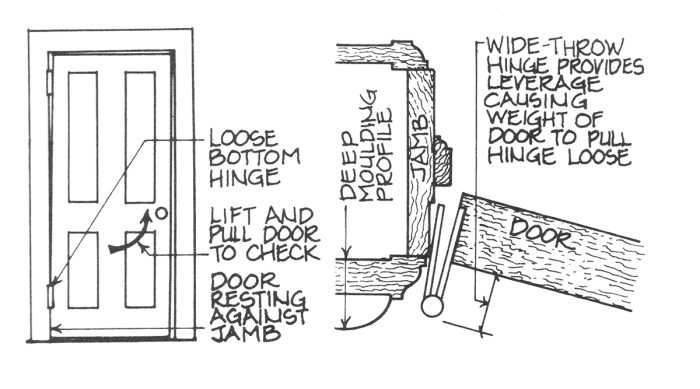
This may be the problem if the hinges have a wide throw, like those installed on a entry door to clear the deep trim profile. Lift and pull the bottom of the door away from the jamb to see if the lower hinge is loose. A loose bottom hinges causes trouble when the door is being swung open or shut and can’t rest against the jamb for support. The door may drag on the floor. Repair as for a loose upper hinge.
Worn Hinge Pin
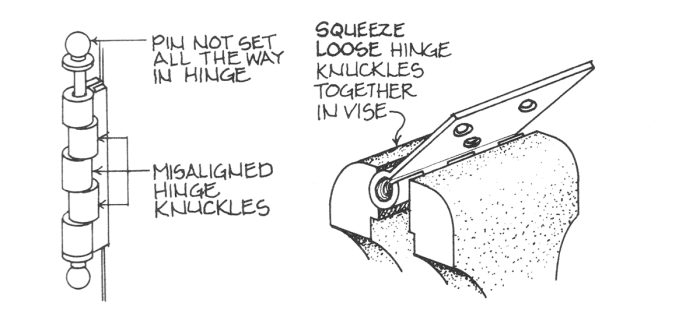
This is evident if the hinge leaves in their mortises don’t move when you lift and push the door, and the knuckle moves or is misaligned. Tap the pin down into position if it isn’t set all the way into the hinge. If the pin won’t move, take it out and straighten it.
If necessary, remove the hinge to straighten bent knuckles. If the knuckles are still loose and misaligned, replace the pin or the whole hinge. If it’s made of malleable material, you may be able to tighten the knuckles slightly by disassembling the hinge and squeezing the knuckles in a vise.
Removing a Door
Start with the door closed. Put a wedge under the door to take the weight off the hinges—or have a helper support the weight of the door. (The more stress on the hinges, the harder it will be to remove the pins, and the more likely you are to damage the hinges.)
Tap the pins gently up and out with a hammer and screwdriver. Use penetrating oil if they resist. Check to see if paint buildup above the pin in interfering. If the pins still won’t budge, carefully grasp the finial or ball with a pair of locking pliers. Turn the pin slightly to break the bond; then try again. A stubborn pin will probably come out if you remove the lower ball or finial and knock the pin up with a punch and hammer.
Another thing to try: Unscrew the hinges from the jamb, being sure to have a helper support the door.
— Written by the editors of Old House Journal.
RELATED STORIES