Podcast Episode 698: Price Volatility, Carbon Accounting, and Building Off-Grid
Listeners write in about price increases and carbon accounting and ask questions about building an off-grid cabin and finding good roofers.
Welcome to the Fine Homebuilding podcast, our weekly discussion of building, remodeling, and design topics aimed at anybody who cares deeply about the craft and science of working on houses. This is senior editor Patrick McCombe. Today I’m joined by associate editor Grant Baver, Green Building Advisor editor Randy Williams, and producer Cari Delahanty. Please email us your questions to [email protected].
You can find previous podcasts and check out the show notes at finehomebuilding.com/podcast.
Check In:
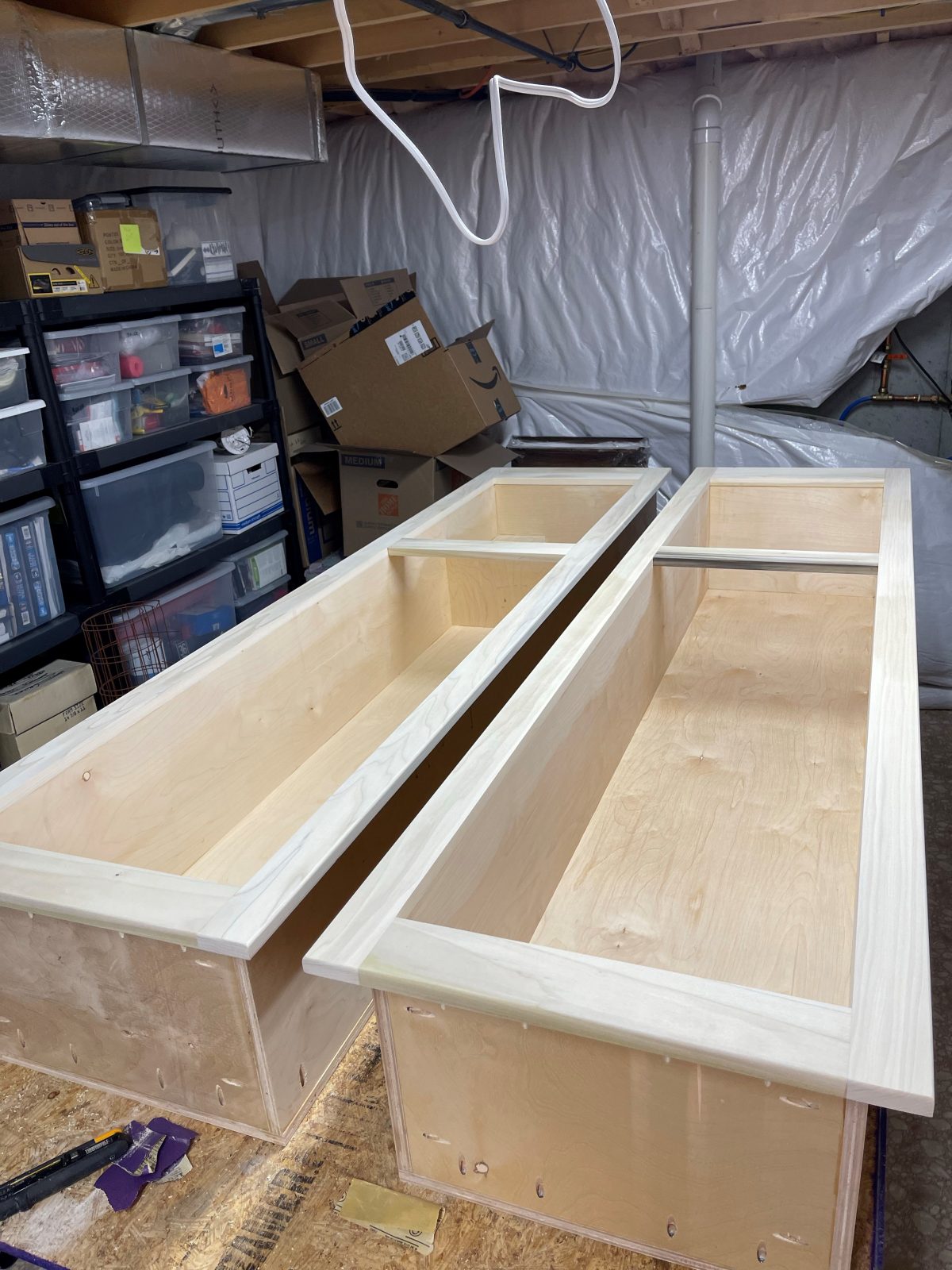
Grant: Cabinets
Patrick: My Bosch Colt router with fixed and plunge bases.
Listener Feedback 1:
Marc writes:
Hi FHB Podcast,
I’d like to know how podcast listeners who are contractors or subcontractors are handling the current volatility of building materials prices. I’m an electrician and the price of copper wiring has gone way up recently. It’s challenging to bid jobs when you don’t know if the price of wire will be the same as it was yesterday. I’ve been giving contract amounts that are good for 24 hours, and then I ask for large deposits so I can buy things at the price I quoted before they rise again.
RELATED STORIES
- Estimating Construction Costs
- Budgeting Is Helpful. Estimating, Not So Much
- Will the Costs of Residential Construction Go Down?
Listener Feedback 2:
Dan Kolbert writes:
I often say that developing an interest in building science is a good way to never sleep well again. If that’s true, it’s double so for “carbon accounting.” First, I’m not sure how I feel about the term we’ve all settled on. We’re not really balancing accounts, we’re presumably trying to mitigate or minimize the impact of our buildings on the climate. Carbon Quantifying doesn’t have the same ring to it.
Anyway, the bigger point is: what’s the goal here? We have some very valuable tools available to help us figure out how long it would take us to “pay back” the embodied carbon (or, to use Lloyd Alter’s more descriptive phrase: “upfront carbon”), and we can compare various assemblies to see how they fare against each other.
But one essential truth remains—this is the worst moment in human history to be adding any CO2 or other greenhouse gases to the atmosphere. If we are really accounting, all our accounts are deep in the red. We don’t have 50 or 100 years for our “carbon investments” to pay off. We keep blowing by any limits on atmospheric carbon that climate scientists have warned us to obey. We need our houses to use minimally carbon-intensive—or better yet carbon-storing—materials, and be built to last. Those goals are not in conflict, and it’s critical that we not think we can solve the problem by building big, carbon-intensive projects “sustainably.”
Doing my part for a cheerful world,
Dan Kolbert
RELATED STORIES
- Upfront Carbon Emissions in Home Construction
- Reduce Embodied Carbon with Simple Forms
- FHB Online Learning Course: Decarbonizing Homes
- GBA.com: Lloyd Alter on Upfront Carbon Emissions
Question 1: Guidelines for Building Off-Grid
Andy Steele writes:
Hi FHB Gang,
I’m working with a potential client on a feasibility study of building a small weekend getaway home off-grid. The client is looking for an 800- to 900-sq.-ft., two-bedroom home in a fairly remote area. The closest electrical service is a little over a mile and a half from his property.
The motivation to build an off-grid home is based purely on the cost of having our electric provider run service to the property. Admittedly, I am not very knowledgeable about solar arrays and the cost of the array, and battery storage may be more expensive than having the electrical service run to the home.
That being said if you all were tasked with building a an off-grid home, what would your concerns be or what things would you try to do to keep the electrical loads low in order to reduce the number of solar panels needed.
I’m thinking we build the envelope as airtight as possible, with minimal window and door openings. The windows would likely be casement-style vinyl windows to take advantage of their increased airtightness over a single- or double-hung unit. I’m leaning toward recommending gas cooking appliances and a single-head minisplit to help keep loads down.
I know this sounds like a passive house or net-zero-ready home, and I suppose it is in a sense, but the budget constraints will prohibit testing or certification and that really isn’t our goal.
Sorry for the long email, but I’d love to hear the discussion you would have around this topic.
Thanks,
Andy Steele
FRS Builders LLC
RELATED STORIES
Question 2: How to Find a Contractor
Jenna writes:
A recent windstorm deposited a few asphalt shingles around our house. I think I may need a new roof. My guess is that if I call a roofer, he or she will say I definitely need a new roof whether I need one or not.
I say this because I recently read how customers for contractors of all kinds—not just roofers—decide that they had a good experience based on the friendliness of the contractor with little mention of how well the job was done. Is how friendly or personable a contractor or roofer is a good indicator of their skill at their trade? How do you find a good roofer or general contractor?
RELATED STORIES
- Finding the Right Contractor
- Find a Female Tradesperson With Matriarchy Build
- 7 Things Your Home Contractor Wishes You Knew
Join Us at the Fine Homebuilding Summit
That is all the time we have for today. Remember to send us your questions and suggestions to [email protected] and please like, comment, or review us no matter how you’re listening–it helps other folks find our podcast. And don’t forget to sign up for the Fine Homebuilding Summit so you can watch us tape the FHB Podcast LIVE!
Fine Homebuilding Recommended Products
Fine Homebuilding receives a commission for items purchased through links on this site, including Amazon Associates and other affiliate advertising programs.

Affordable IR Camera
Reliable Crimp Connectors
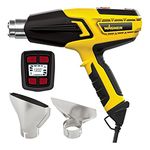
Handy Heat Gun