Landscape Lighting Essentials
From planning a safe and exciting outdoor lighting strategy to limiting light pollution to choosing fixtures, we've got you covered.
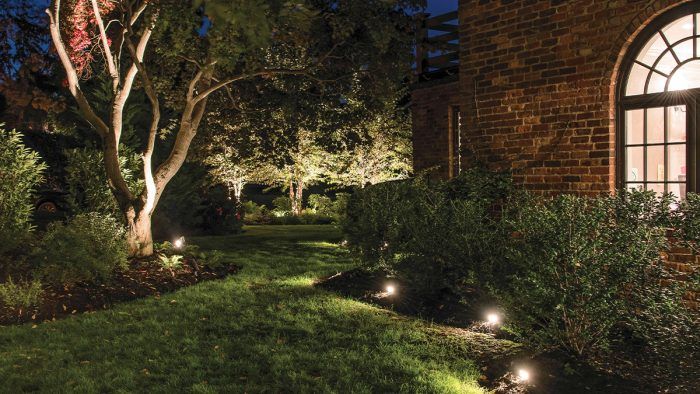
Landscape lighting is a highly accessible and forgiving DIY project, but it requires thoughtful design to avoid wasted energy, poor aesthetics, and light pollution. This article includes detailed descriptions and recommendations for different types of landscape lights—accent lights, path lights, in-grade uplights, deck lights, and step lights—along with specific product options for each category.
Starting with a simple mockup using a few accent and path lights helps you see the effect and adjust the design before expanding. Choosing high-quality fixtures, proper lamps, and durable wiring ensures longevity and performance in outdoor conditions.
Advances in LED technology and smart controls allow for subtle color effects and energy-efficient illumination that enhances the landscape without disturbing neighbors or wildlife. Finally, following Dark Sky principles and careful placement prevents light trespass and promotes a safe, inviting, and environmentally responsible outdoor lighting design.
Get Landscape Lighting Right the First Time
Just about anyone with the ability to twist wires together and push stakes into dirt can pick up a landscape lighting kit from their local big box retailer, spend an afternoon kicking mulch over low-voltage wires, and sit back that evening to enjoy an illuminated landscape. Landscape lighting is perhaps the most forgiving and DIY-friendly subset of the residential lighting category, but that also means it’s easy to mess things up with poor design and cheap fixtures and wiring.
In my work as a lighting designer, I’ve learned that landscape lighting, like all lighting, is about getting the right fixtures in the right places. Perhaps equally important—and often overlooked—is the need for darkness as a key component of the composition. If your path lights are 6 ft. apart, every tree and shrub is illuminated, and every surface of the home is floodlit, then you are likely wasting money, wasting energy, and bothering your neighbors.
If you need to climb a tree to place fixtures; if you want to use spec-grade products; or if you are covering large distances, pouring concrete around fixtures, or wanting a truly exceptional outdoor environment, it may be worth working with a professional and choosing products carefully. If your needs are a bit simpler, with a few basic techniques, some foundational knowledge, and a tool kit of great fixtures, you probably can transform a backyard on your own.
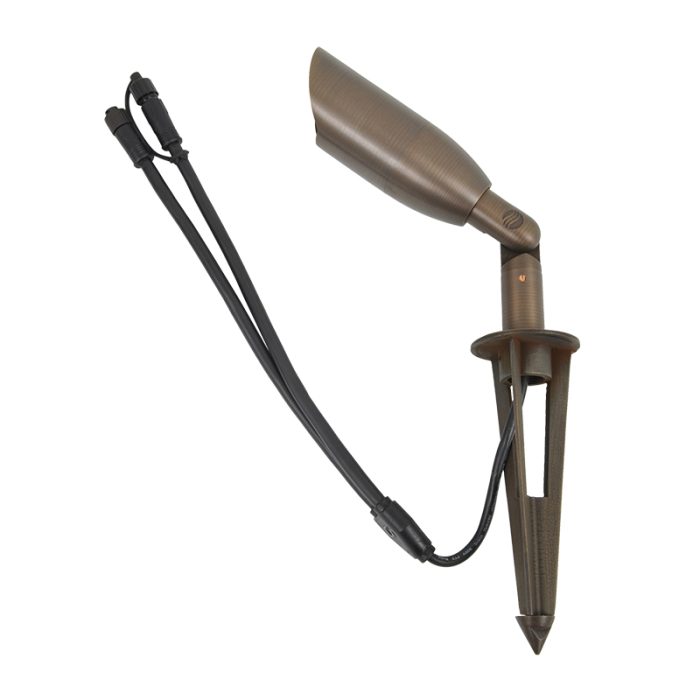
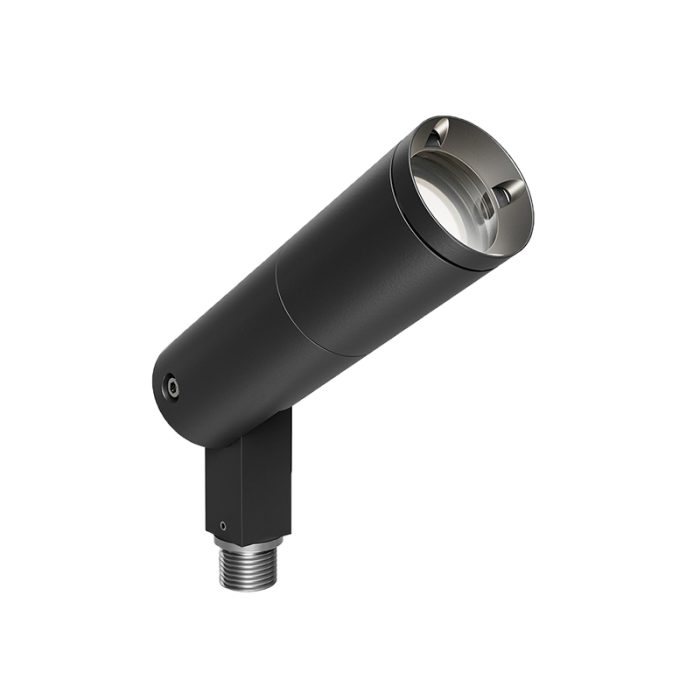
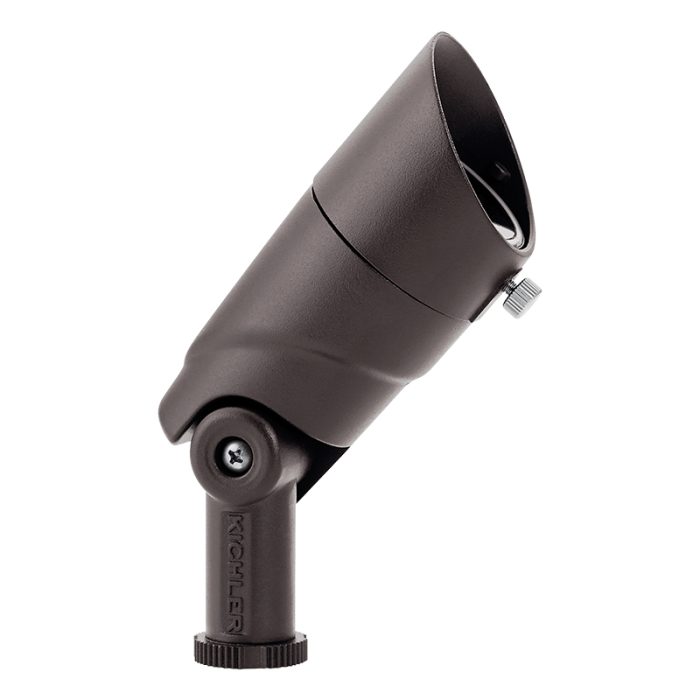
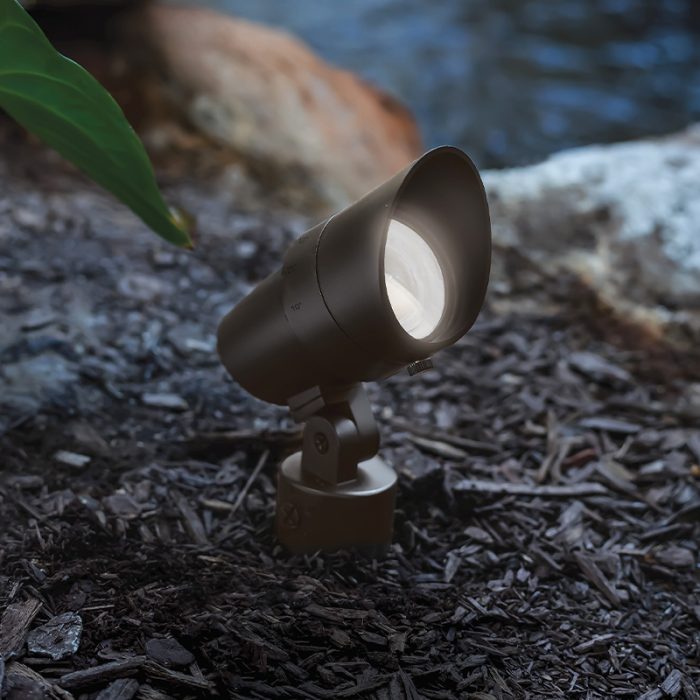
Accent LightsThe workhorse of landscape lighting, the accent light can be used to create an array of effects, from grazing light across the branches of conifers, to uplighting the corners of the home, to creating a shadow behind a cactus or texture on a hardscape. Remember, what you don’t light is as important as what you do; let the shadows be part of the design.
|
Start With a Real-Life Mockup
If you’re not sure where to start or how much of your landscape to light, I recommend starting out with just a half dozen or so accent lights. Pick the corners of the house, one or two large trees, and one or two ornamental shrubs or small trees to light. Live with this little bit of landscape lighting for a few weeks to see how it feels and looks.
Similarly, start with six path lights and pick key locations, such as where paths intersect or steps occur, and keep the path lights 20 ft. or more apart. Most people are surprised by how little light they need to feel comfortable and walk about safely after dark.
Because much of it can be accomplished with low-voltage wiring and ground stakes, landscape lighting lends itself nicely to in-place mockups. When I started growing my own lighting design business, I kept several storage bins full of low-voltage landscape fixtures, cable, and transformers on hand. This made it easy for me to throw the gear into the back of the van and spend an afternoon stringing cable and staking out lights to show a homeowner the potential of lighting for their property.
On-site mockups are a great way to learn because you can see the results in real time, try out different combinations quickly, and make discoveries that might not occur on paper. I remember lighting up one home during a mockup and deciding that I liked the accent fixtures about 6 in. from the large brick piers supporting the front porch because the grazing effect really pulled out the texture of the bricks.
When the client came out to view the mockup, however, he did not like the effect and wanted the brick to appear smoother, like it did during the day. So I backed up the fixtures until the effect was right for the client. It turned out that 2-ft. spacing made him happy.
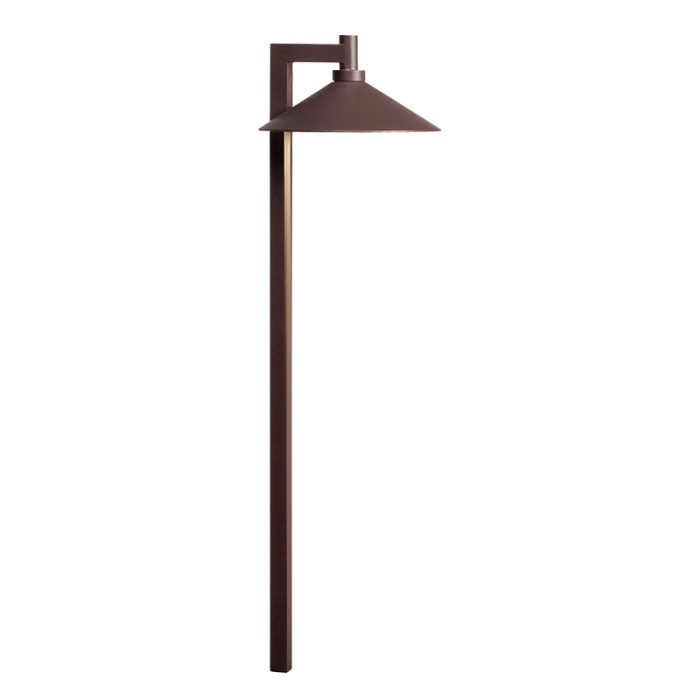
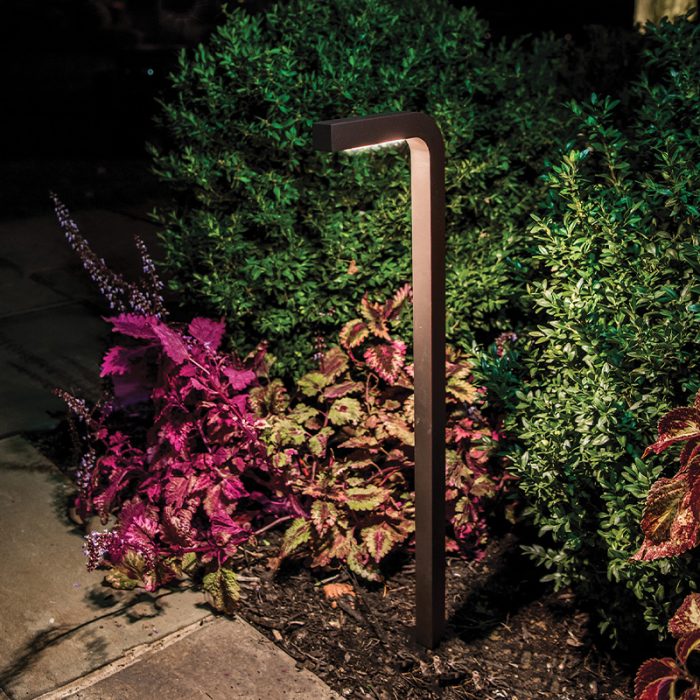
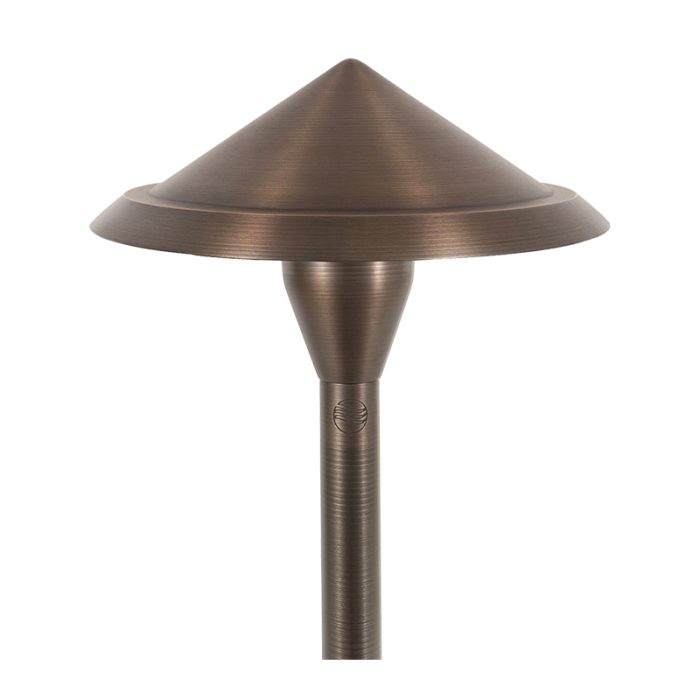
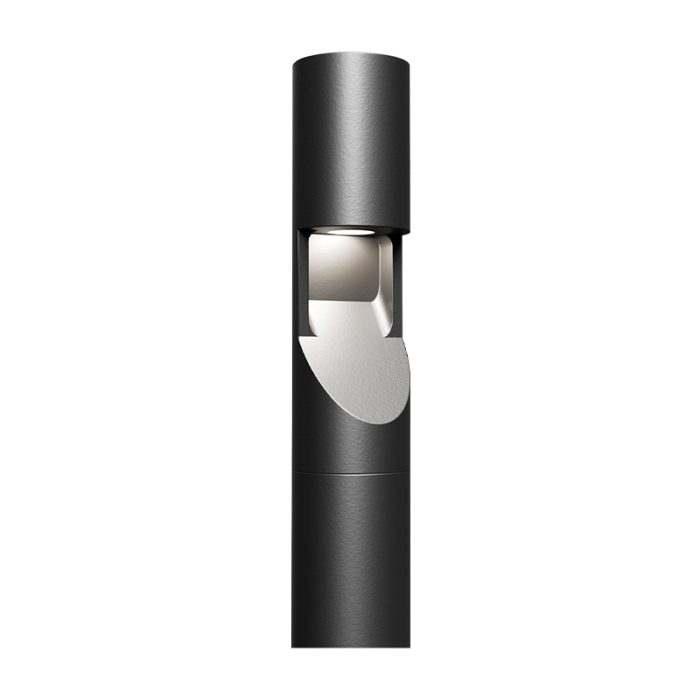
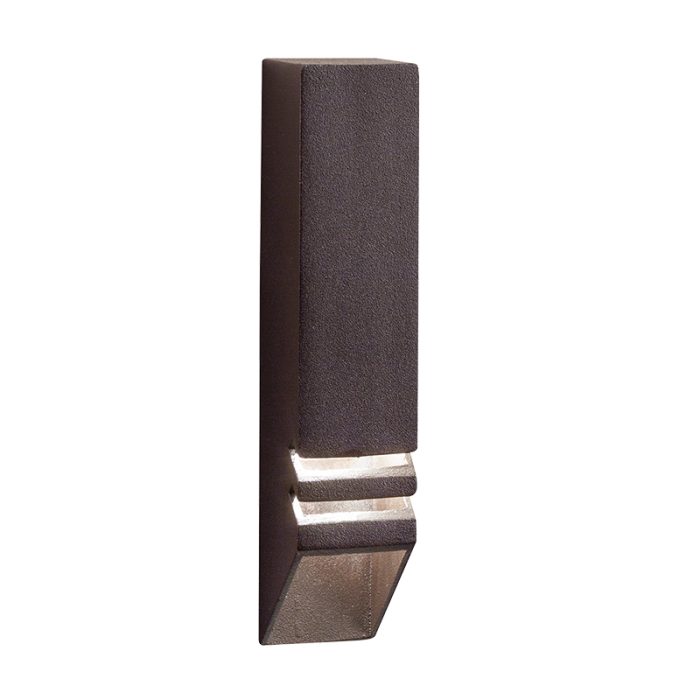
Path LightsThere may not be a landscape lighting site more comforting than a gently illuminated walk with shielded path lights that only shine downward. Be sure you cannot see any part of the light source, and place the fixtures farther apart than you think you should. It’s OK to have dark spots between fixtures.
|
Choose High-Quality Fixtures
Sometimes it is easy to identify pro tools simply by picking them up and feeling their heft. This is often true with landscape lighting fixtures too. Pro-quality fixtures can weigh three or more times as much as cheap fixtures, and that bulk comes with some advantages.
The least expensive landscape fixtures—the kind you might pick up at a typical big-box retailer—are often made of stamped steel parts. Economical to manufacturer, these fixtures have a shorter lifespan than better-built options and tend to flake paint and break easily.
Cast brass is the go-to material for resisting corrosion in saltwater environments. Cast-brass fixtures can age to a charming patina similar to that of copper, which blends into the landscape well. (A lot of painted finishes try to mimic the patina.) The heaviness of cast materials also means sturdier construction and longer lifespans.
I will probably start an argument by claiming that machined fixtures are the best, because as I just said, there’s a lot to like about cast brass. But I like the smooth finish of machined fixtures and the tight fittings made possible by the manufacturing process. I use this category almost exclusively when lighting commercial projects. Machined fixtures can get pricey, but their sturdy construction enables them to manage bulb heat, water, and weather better than the others.
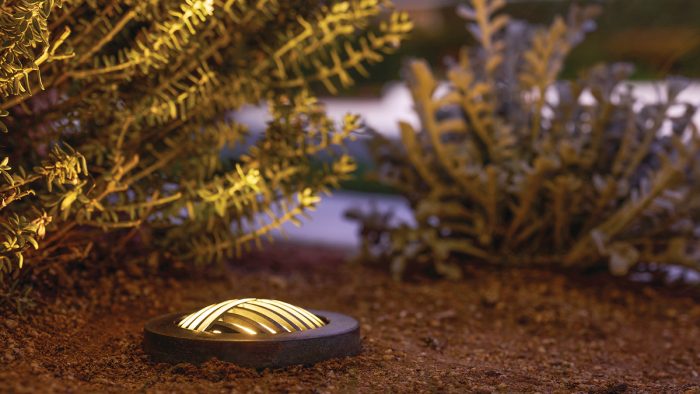
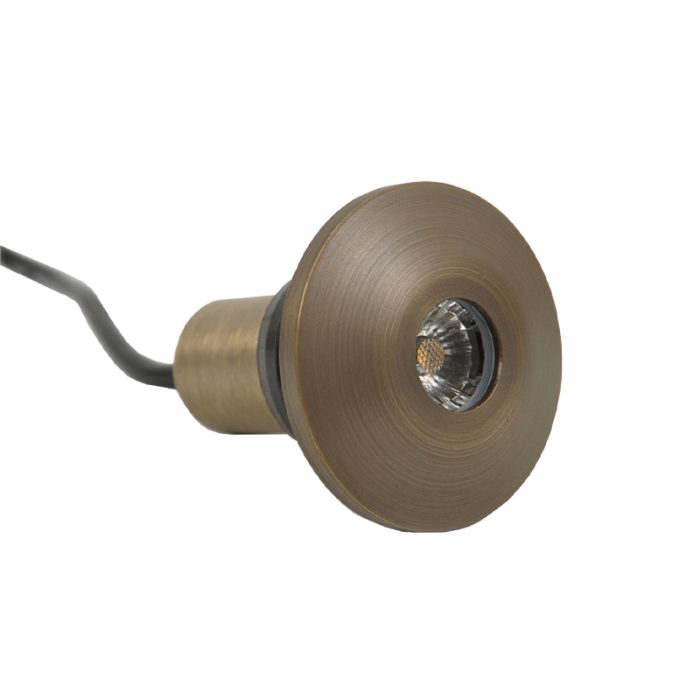
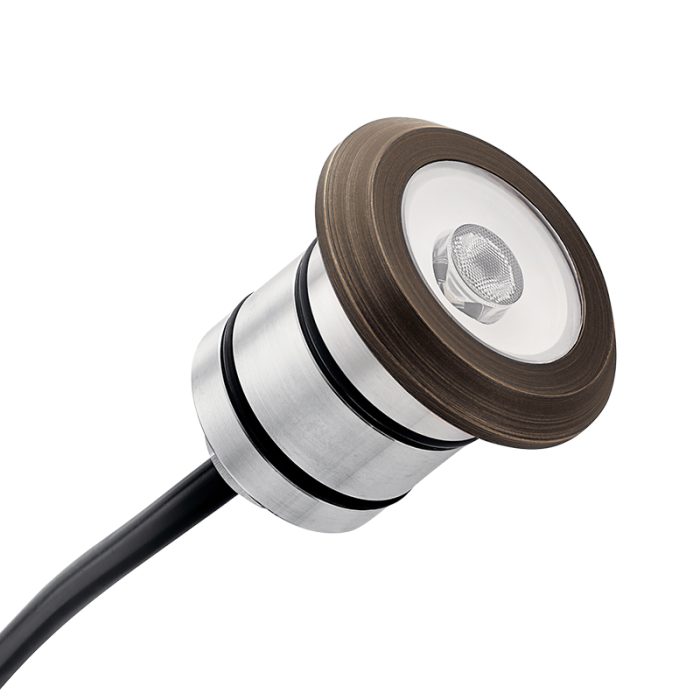
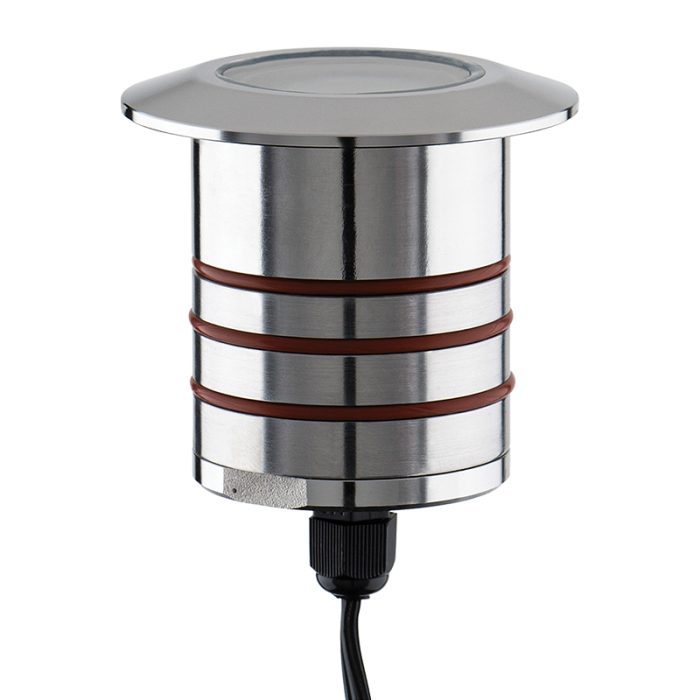
In-Grade UplightsI have seen accent lights knocked to pieces by passing lawn mowers and people walking nearby. But with their low profile, in-grade uplights are less susceptible to damage. Like the Coastal Source installation shown here, they can be a subtle presence in a garden or hardscape. But don’t scrimp on quality; these lights have to survive in the ground and keep out water from all directions.
|
Get the Right Lamp
When I did my first landscape lighting project— decades ago in my parents’ backyard—halogen bi-pin lamps in 10W or 20W varieties were mainstays of big box–store landscape lighting. There are still a few halogens or incandescent fixtures around, but most fixtures are now LEDs. Getting the right lamp is the key to delivering a soft, warmly lit landscape after sunset.
Bi-pin halogen or incandescent bulbs can pack a serious punch, but they require several times the electricity of their LED counterparts. That makes it harder to manage voltage drop on longer wiring runs, not to mention the short maintenance cycle that will require seemingly constant bulb replacements. Today there are other types of bi-pin lamps available, so whenever possible, I avoid halogen or incandescent bulbs.
Lighting designers like me sit around talking to each other about the good old days of halogen MR16s, once the workhorse of both interior and exterior residential lighting. We now avoid halogen lamps, but LED versions of MR-type lamps can deliver decent light quality. Note that in most cases the LED versions have lower lumen output (less light); often that is OK when it comes to lighting a landscape.
Today it is relatively easy to find LED replacement bulbs for almost anything, landscape lighting included. But be careful when purchasing LEDs, as “equivalent” is an unregulated term that sometimes translates to “much different.” Not only can power be different, but color temperature can vary with LEDs too, and you can end up with overly bright or harsh light that is far from the equivalent of what you are used to. I suggest buying a couple of lamps to evaluate the strength and quality of the light before sinking a lot of money into LED replacement bulbs.
Fixtures with PAR lamps—both halogen and LED—are not my favorite. I associate these giant bulbs with temporary holiday lighting in bold colors. That feature may be useful in colorful landscapes, but there are fixtures that are smaller, lower-wattage, better-looking, and better-performing. Leave PAR-lamp fixtures on the shelves.
If you are moving up to the professional level, integrated LED light sources might be the right answer. Larger heat sinks preserve the life and color of the LED, and high-quality LED chips can mean the light looks better too. Optics—the lenses that focus light—are also pretty impressive when paired with integrated LEDs. This is the best fixture choice for longer-lasting, high-quality light.
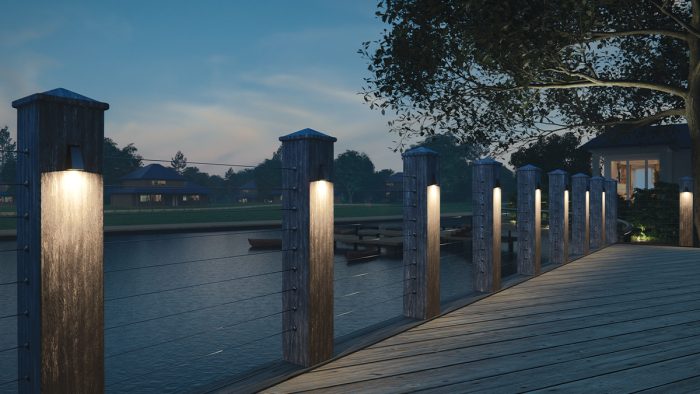
Deck LightsSmall deck lights mount directly to posts and railings, putting light exactly where it’s needed. Place these at least 16 in. above the deck surface along railings and on both sides of stairs for great light. This installation from WAC Lighting highlights the posts, reflects off the cable rail, and illuminates the deck’s edge, creating a stylish level of safety for the waterfront deck.
|
Know When to Upgrade Your Wiring
Landscape lighting systems have to endure just about any weather you can imagine, from salty sea sprays to freezing rain and snow. Faulty connections are a primary failure point, so taking a few extra minutes at each splice will pay off over the life of the system. Most landscape fixtures come with silicone-filled wire nuts; the gel inside keeps water out, extending the life of the connection. If your fixtures don’t come with this type of connector, I recommend upgrading the fixtures, or at least the wire nuts.
Some coastal builders and electricians take a unique approach to wiring their landscape lighting systems: prebuilt cables. When the lighting system is designed, the distances between light fixtures can be measured and factory-built cables can be shipped to the job site. These are a big upgrade that you can get from manufacturers such as Coastal Source. Each cable has robust outdoor plugs at each end that push together and then twist to lock in place and keep out water. The result is a system that is ridiculously easy to put together (no electrical skills required) and extremely reliable. Although you will pay a premium for the cables, you can save on installation labor and long-term maintenance costs.
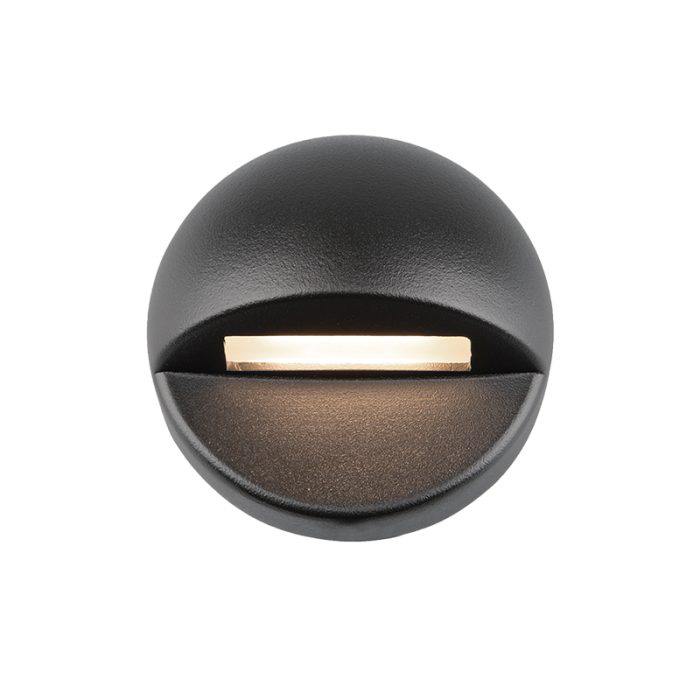
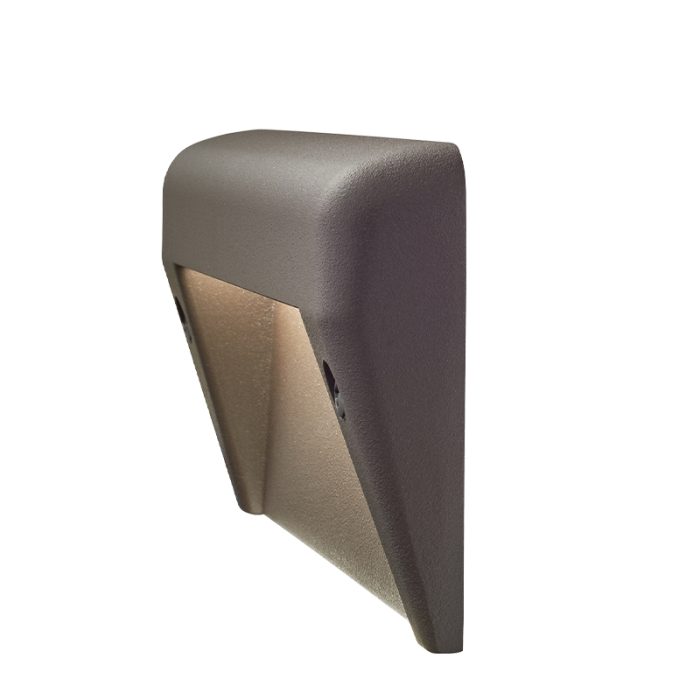
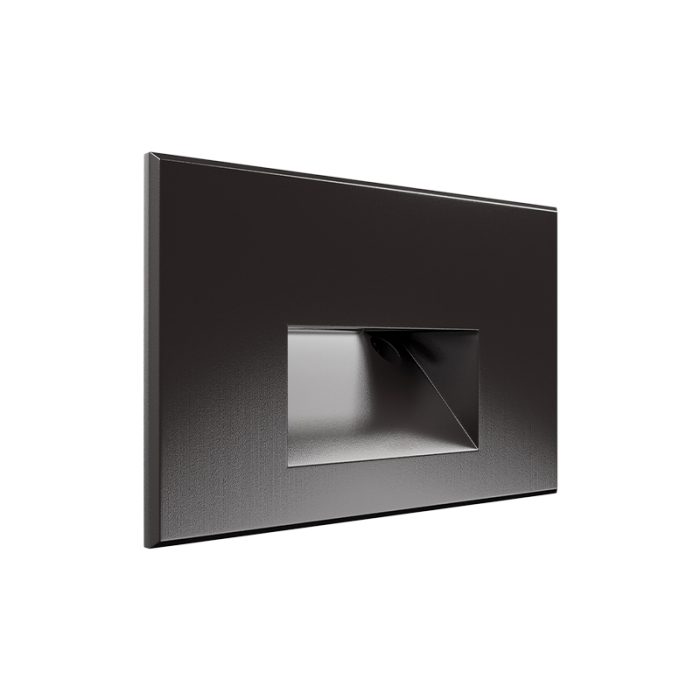
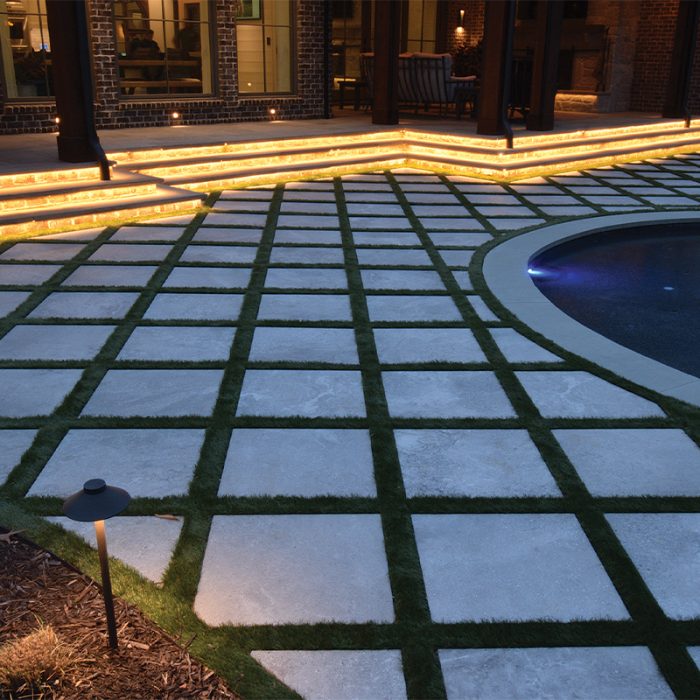
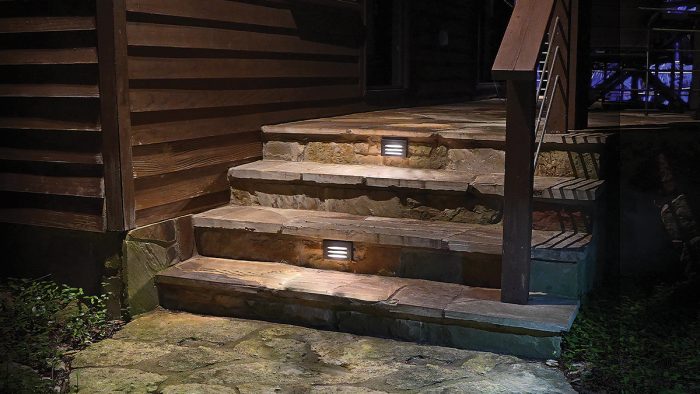
Step LightsThere are versions of classic movie theater–style step lights that mount easily to stairs, though I recommend staying away from the solar variety until they get better. Higher-quality versions may require licensed electrical installation but are great for stone and brick walls. In a wood-framed deck or stone terrace, like the WAC Lighting project shown here, step lights can be easily integrated with just a little extra planning.
|
Beyond the Basic Colors
Bold color and strong contrasts are often desirable in outdoor environments during the day—think deep green conifers, red maple leaves, bright green lawns, and flowers in every color of the rainbow. At night, when our vision shifts over to the rod cells in our retinas, we lose most color perception.
Restoring the brilliant color to an evening landscape is easier than ever with recent advancements in LEDs and control technologies. A variety of systems are available from manufacturers such as FX Luminaire and WAC Lighting that use a mix of red, green, blue, and white LEDs to dial in the lighting colors you want for your landscape. Moreover, you can control the colors if you want to change them through a wired centralized system paired with a smartphone app.
I like to layer subtle color shifts that fit the normal color of objects, such as warmer colors for tan stone walls and cooler colors for pine trees. Color can also help a lawn feel larger when light hues shift toward blue as you get farther from the home. The resulting optical illusion creates depth and layers that our eyes find very comforting. And when you really want a feature to stand out, nothing adds contrast quite like a pop of white in an otherwise saturated color environment.
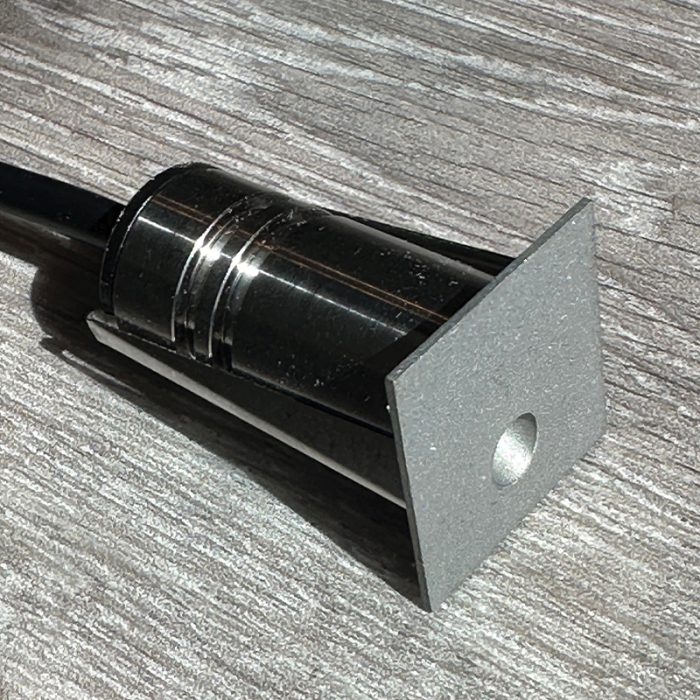
Illuminating PossibilitiesWe’ve covered the most common places for landscape lighting and the most commonly used fixtures, but just like indoor lighting today, the category is exploding and new products offer a lot of possibilities. So I’ll leave you with two more ideas for fixtures and the helpful landscape lighting strategies they make possible.
|
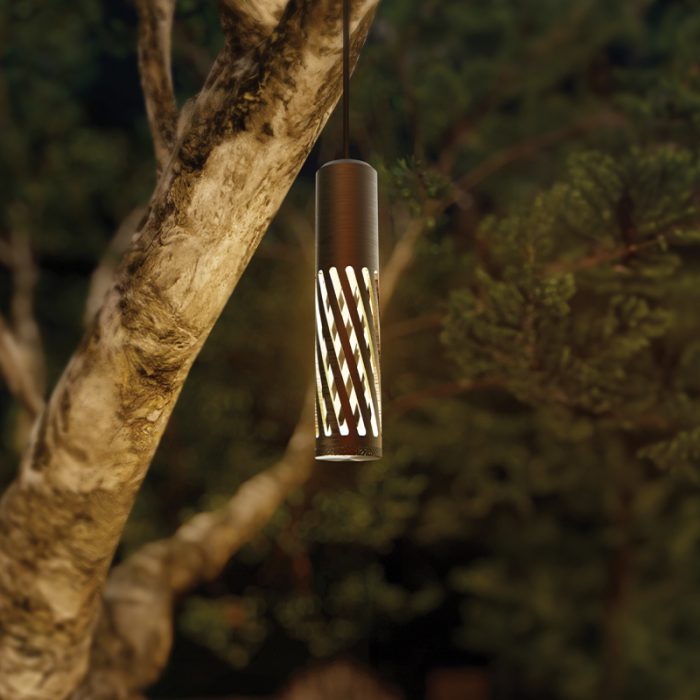
Be a Good Lighting Neighbor
There is a dark side to landscape lighting: Too much of the wrong kind of light can harm our own health, disturb our neighbors’ sleep cycles, and disrupt wildlife, all while wasting money. “Light trespass” and “light pollution” are two key considerations to keep in mind when designing for outdoors.
Sadly, most outdoor fixtures send a large amount of light into the night sky, where it does little good and substantial harm. The Dark Sky initiative (darksky.org) aims to reduce light pollution and preserve the natural night sky by ensuring that artificial lighting is carefully controlled. Dark Sky communities prohibit unshielded light fixtures—think typical coach-house lanterns—and require full cutoff shielded fixtures that direct all the light downward.
This keeps stray photons from heading up to the sky and keeps our environment darker. Why do we care? Besides the ability to see the stars, darkness is emerging as critical to our sleep quality, so much so that the European Union categorizes light at night (LAN) as possibly carcinogenic.
When light from your home crosses outside of your property lines, you have committed light trespass. Although mostly ignored until recently, forward-thinking communities and builders are taking note and utilizing fixtures that aim light only where it is needed most and that keep excess light from traveling toward the property line. Dark Sky advocates have taught me four considerations to help outdoor lighting do less harm: (1) Point lights downward and use full cutoff fixtures; (2) use warmer color temperatures; (3) use as little light as possible; and (4) turn lighting off when it’s not needed.
This article is all about helping you strategize and design landscape lighting that is safe, welcoming, and exciting. So have fun, and be considerate with your landscape lighting. And if you want to dive even deeper into this topic, I recommend reading Janet Moyer’s The Landscape Lighting Book and attending the International Landscape Lighting Institute’s five-day, five-evening intensive course.
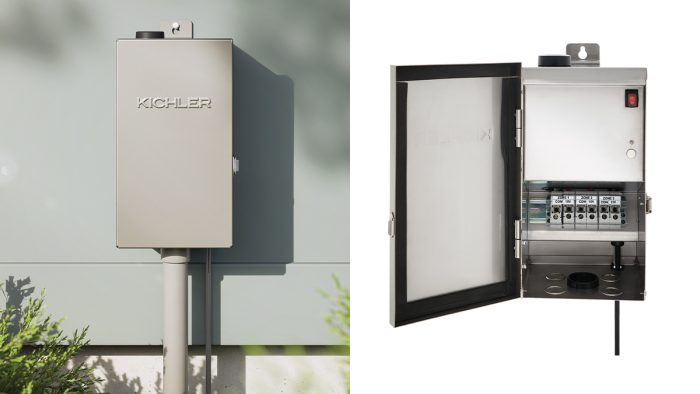
Low-Voltage Wiring EssentialsFor the landscape lighting shown in this article, transformers are required to step line voltage down to low voltage. High-quality transformers use magnetic coils and heavy stainless-steel enclosures for outdoor reliability. Some can be paired with photocells to automatically turn on landscape lighting as the sun sets. Some can be paired with and controlled by an app on your phone. Pro-grade transformers like the one shown here from Kichler may have multiple taps, allowing you to separate fixture types and areas of the landscape for greater control over what you are illuminating and when. Multiple taps may also allow individual voltage adjustment, which can be helpful for managing voltage drop.
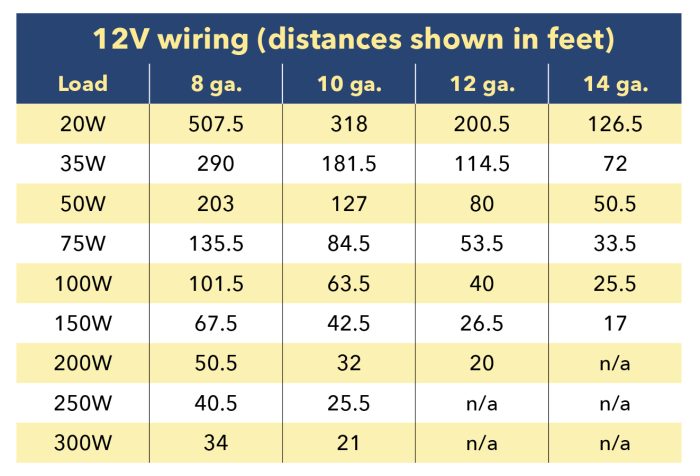
Voltage drop occurs when too much power is drawn across too great a distance in a wire with too much resistance. When voltage drop is too great, lights at the end of a run can be dim or may flicker. Limiting voltage drop is a basic math problem, meaning altering any of the variables (distance, wire size, wattage) can correct the situation. This chart limits voltage drop to 5% or less, a typical target for low-voltage landscape systems. If you had 100 total watts of light fixtures and needed to run 100 ft. to the back of the property line, you would need 8-ga. wire to do it all in one run, which would be expensive and difficult to manage. You could do the same system with two runs of 14-ga. wire, a much more manageable solution.
|
One Last Note
Pricing today is complicated. And if the prices of building materials aren’t finicky enough—and regional—who knows what looming tariffs may do to the cost of landscape lights by the time you are reading this? I decided to put prices in a range for each light and each manufacturer. Hopefully this gets you in the ballpark, but you’ll have to do your own price research before making decisions about your landscape lighting.
— David K. Warfel is a lighting designer, author, and educator. Find him online at lightcanhelpyou.com. Photos courtesy of the author and manufacturers.
RELATED STORIES
Fine Homebuilding Recommended Products
Fine Homebuilding receives a commission for items purchased through links on this site, including Amazon Associates and other affiliate advertising programs.
Musings of an Energy Nerd: Toward an Energy-Efficient Home

Homebody: A Guide to Creating Spaces You Never Want to Leave

A House Needs to Breathe...Or Does It?: An Introduction to Building Science











View Comments
While small percentage of the country can afford a collection of $400 fixtures, those prices do not support your DIY or budget conscious labels. Try Volt Lighting - solid brass fixtures, great quality, simple to install. Truly DIY and a third the price. But not garbage like from the big box home stores. Thanks for your article.