Podcast Episode 695: Saving Bricks, Cut-and-Cobble Insulation, and Waterproofing Foundations
Listeners write in about paint strippers, bricks, and FHB Podcast volume and ask questions about insulating under membrane roofs and whether waterproofing prevents concrete foundations from drying.
Welcome to the Fine Homebuilding podcast, our weekly discussion of building, remodeling, and design topics aimed at anybody who cares deeply about the craft and science of working on houses. This is senior editor Patrick McCombe. I’m joined by contributing editor and production manager for TDS Custom Construction Ian Schwandt, Fine Homebuilding editorial director Brian Pontolilo, and producer Cari Delahanty Please email us your questions to [email protected].
You can find previous podcasts and check out the show notes at finehomebuilding.com/podcast.
Check In:
Patrick: Upcoming paint stripper feature article with FHB Podcast listener David Wittner
Listener Feedback 1:
Rob in N.J. writes:
Hey Patrick,
I’d like to respond to your comment on the recent Podcast about your upcoming piece on paint strippers. I’m currently using Citristrip on some very old paint on masonry (block-and-parged foundation) with mixed results. It’s kinda working, but it’s not making this crappy job less painful. I’m not sure if you’re only covering stripping wood, but based on my job, this eco-friendly version doesn’t seem to have the power needed for cement. I last stripped masonry when I was a kid when my dad had me strip the breezeway floor in the house I grew up in. I recall that paint coming right up with a metal scraper; however I’m sure that stripper was the mixture that has killed people. Oh well. Thanks for everything and looking forward to reading your piece.
Rob
RELATED STORIES
Listener Feedback 2:
Marv writes:
To everyone at the FHB Podcast,
I recently listened to a podcast where you described the disposal of chimney bricks.
I live in northern Illinois, and my son-in-law works for a demolition/road building company. They can be called to a fire 24 hours a day. They may need to help firefighters quell a factory fire or tear down an abandoned house in the middle of the night.
Now back to bricks. Please be aware that some bricks have a resale value. In the trade they are called “Chicago bricks.” These are solid bricks (no interior holes) and very rustic looking. The best bricks will have two good sides so they can be sliced to produce two pieces of veneered brick. After a building is torn down, they call the buyer and he brings a team of laborers to the site. They clean the mortar off the brick and stack it on pallets. I think they are sold for about $200 per pallet. This is much better than putting them a dumpster.
Thanks for all the good tips along the way.
Marv
RELATED STORIES
Listener Feedback 3:
Jeff writes:
Hi Guys,
Love the podcast! Could you please do the listeners a favor and talk louder or somehow turn up the recording volume? I often listen while mowing or doing other work, and even with my EarPods turned up 100%, I have a hard time hearing you. I’d rather have to turn down the volume than not be able to hear. Thanks a bunch!
Jeff
Question 1: How can I add insulation under a membrane roof?
Jen writes:
Hello FHB Podcast crew,
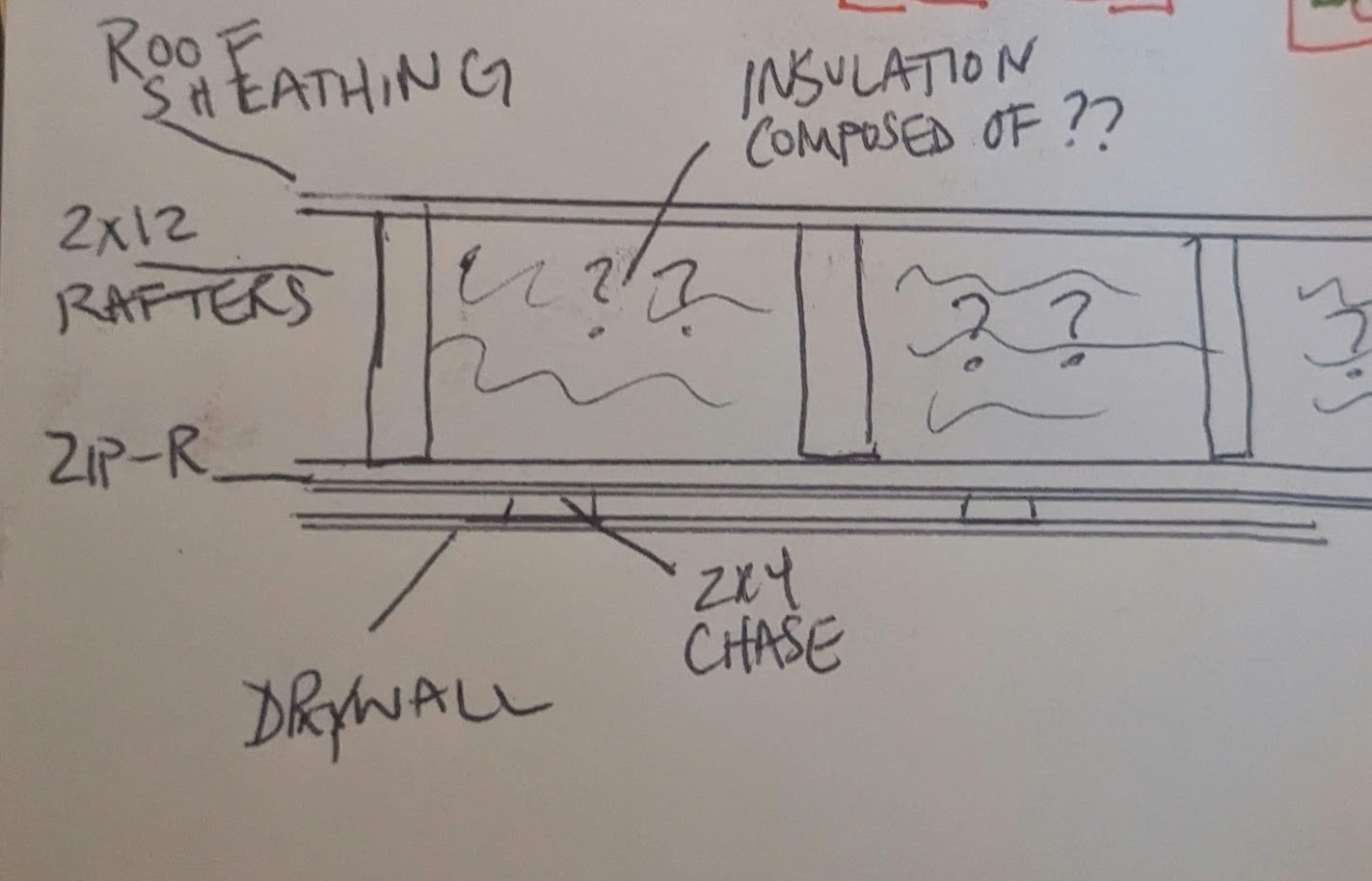
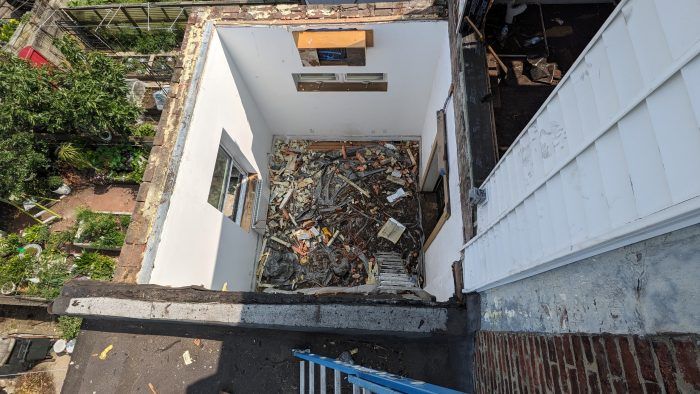
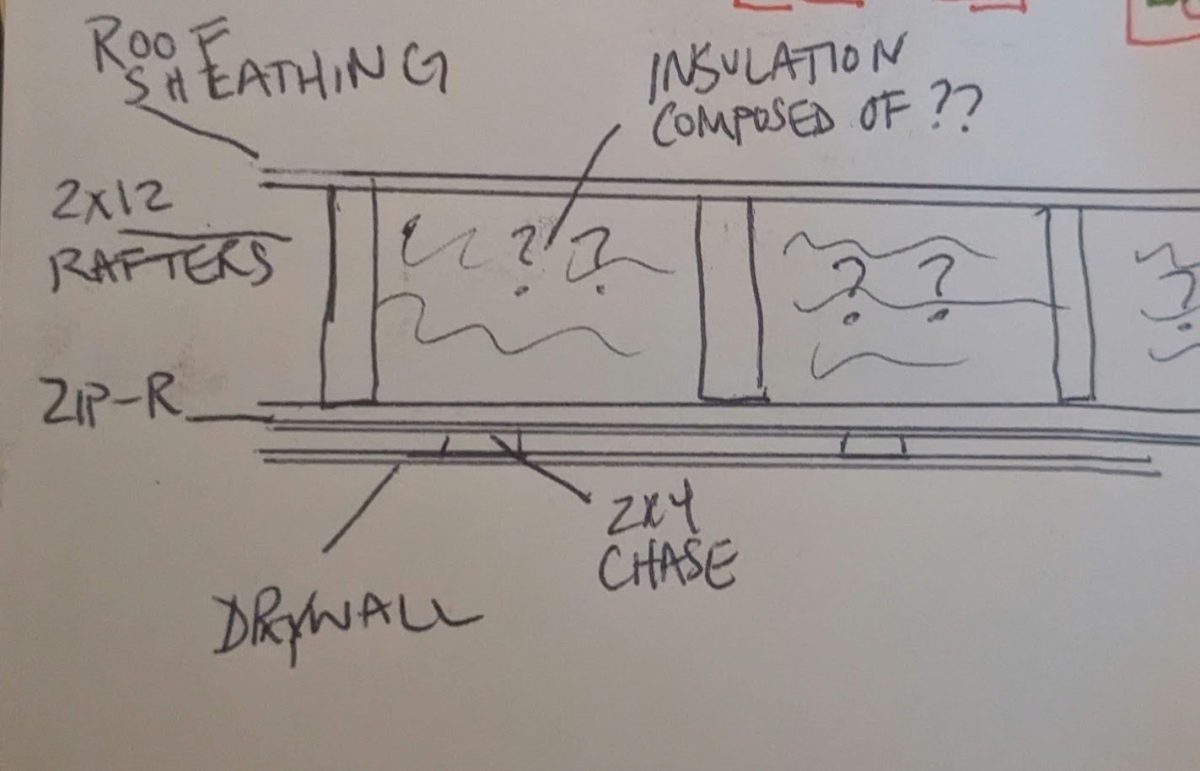
I am hoping you can be cajoled to once again return to your roots as the Fine Air-Sealing and Roof Venting Podcast to help me determine viable options for a non-self-rotting roof assembly. I have a solid brick row house in Philadelphia (climate zone 4A) with a low-slope, unvented roof. I recently had a new roof installed on the second floor in a 12-ft. by 12-ft. section to create a walkable deck from a sliding door on the third floor above. There was not enough clearance between the roof deck and the bottom of the sliding door to install rigid exterior insulation under the walkable PVC roof membrane, so I’m left with the need to create an adequately insulated roof assembly solely from the interior.
After reading Martin Holladay’s excellent GBA piece on insulating low-slope roofs—as well as materials from FHB and Building Science Corporation—I know that I need to install closed-cell spray foam to the underside of the roof deck to achieve at least R-15 before installing other adequate insulation and a solid interior air barrier.
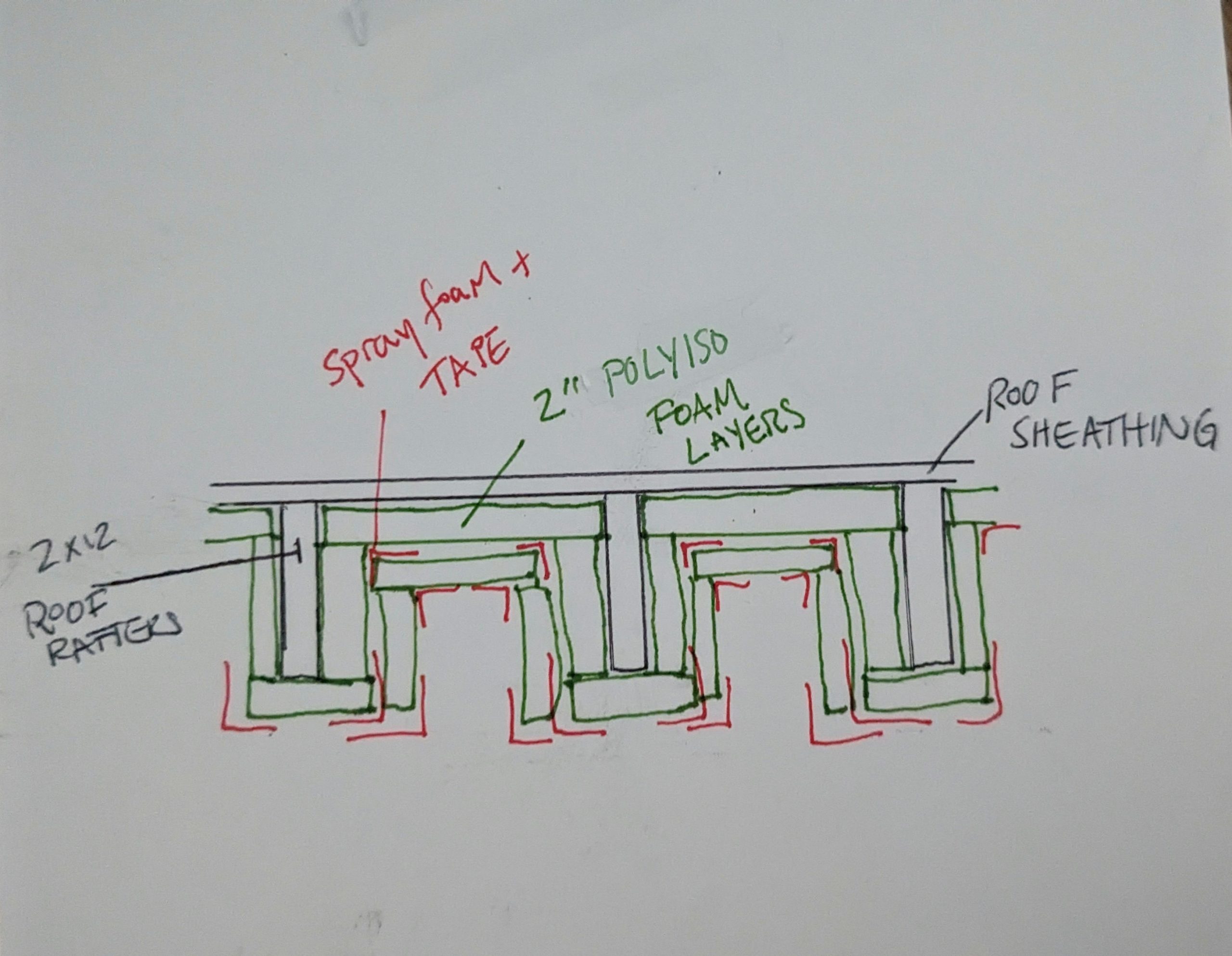
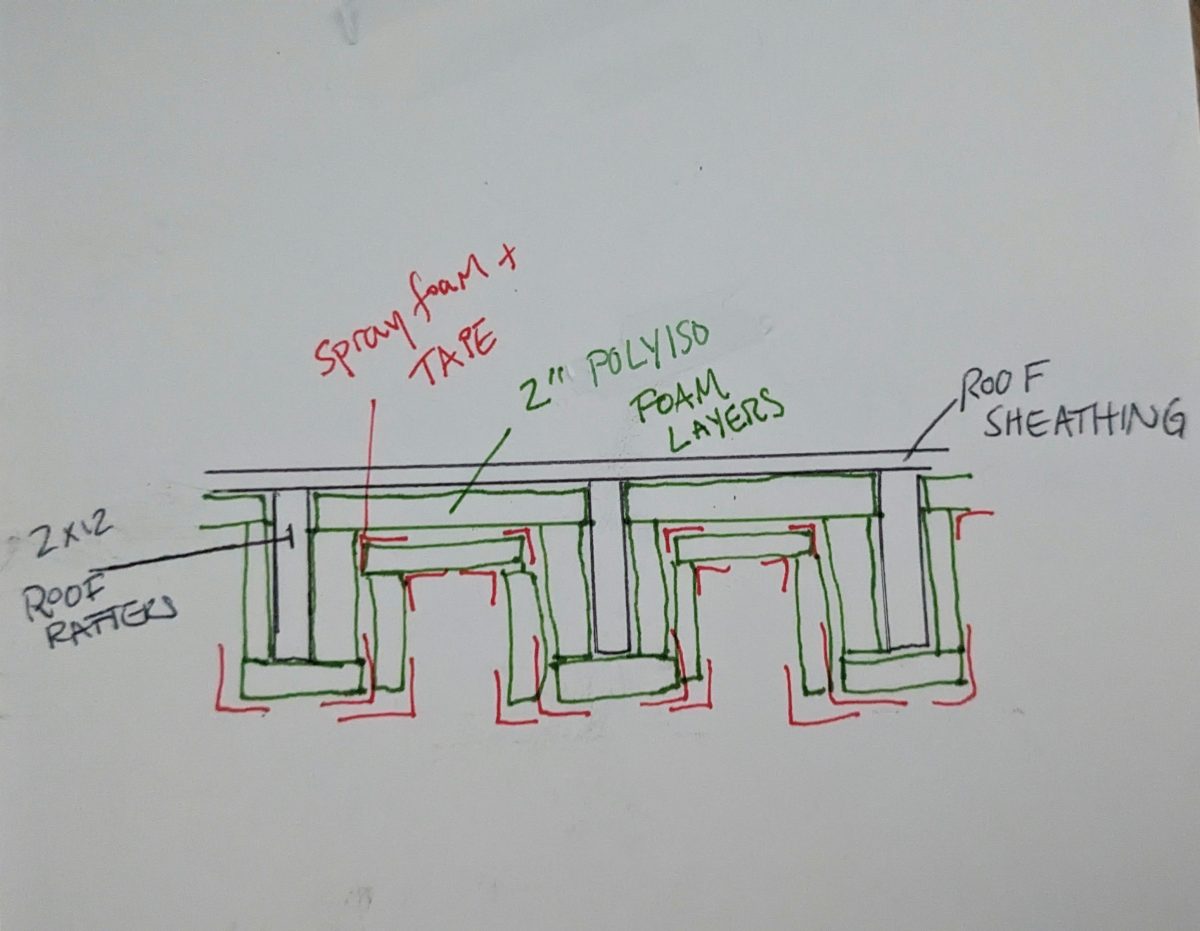
However, for a number of reasons (environmental, ease of future renovations, trust in contractors, spray-foam failures, ease of finding a contractor for such a small job), I am wondering if there are any other insulation routes that would minimize the chance of future failure in an unvented roof assembly? Hubris, thy name is DIYer. I am specifically curious to know whether creating a separate roof assembly using Zip R-Sheathing—sealed against the roof rafters and within each rafter bay—would provide any protection against condensation and rot. That would allow me to explore insulation options other than spray foam, such as some combination of cut-and-cobble rigid foam and fluffy insulation. I would add 2x4s over the surface of the Zip R-Sheathing to run electrical, keeping all penetrations outside of the roof assembly (confined to the interior living space), before installing drywall.
Thanks for either humoring or rightly squashing my delusional notions of roof-assembly alternatives with your thoughts. Thanks also for all the education and entertainment. The FHB Podcast is right up there in podcasts that make me laugh, and the brand’s commitment to putting out high-quality and useful building information through the magazine and the All Access pass is truly an asset to the field.
Happy building,
Jen
Here’s a further dump of details to try to keep the question somewhat manageable for the podcast.
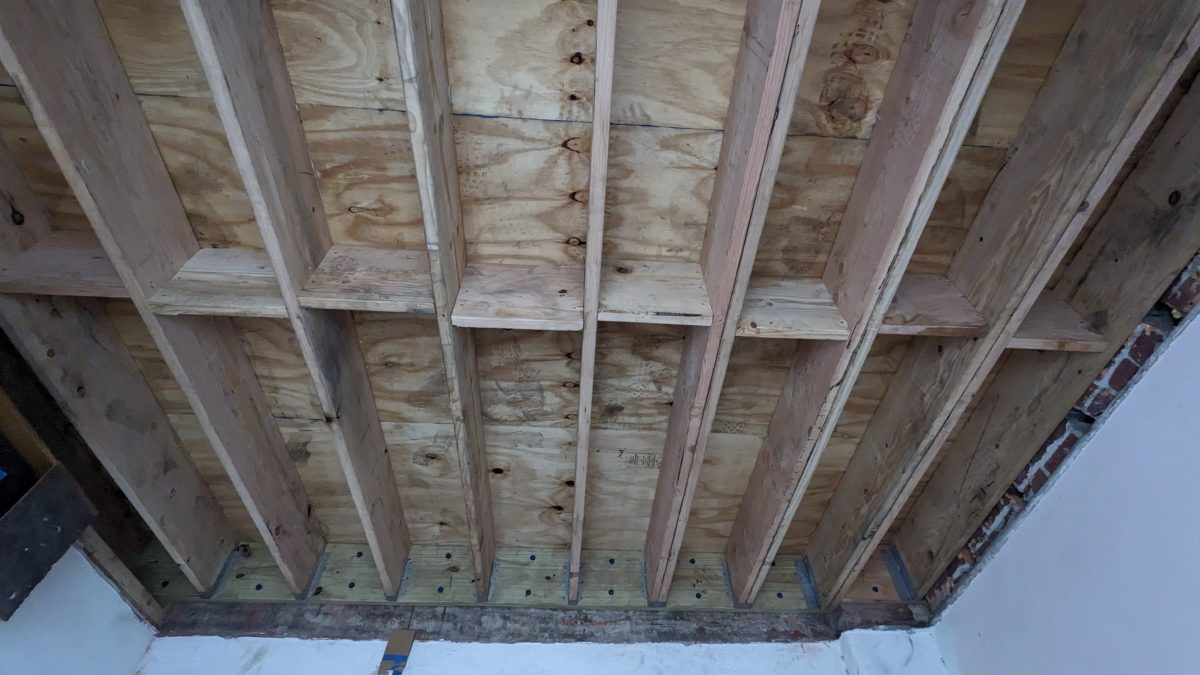
Building assembly (photos below):
- 2×12 rafters, 3/4-in.-plywood roof sheathing, 1/2-in. AC plywood sealed and sanded with a Duradeck PVC membrane attached
- There is headroom to do at least 2 in. of rigid foam between the rafters and Zip air barrier but getting 4 in. of continuous rigid insulation below the rafters would be tight. There definitely isn’t room to get anywhere near the R-value required by code beneath the rafters.
- All the walls beneath the roof are solid brick, with neither a gap between the wall and brick (bare brick, plaster on brick) or the ability to seal the top of the wall assembly to limit air from the interior that can reach the roof assembly.
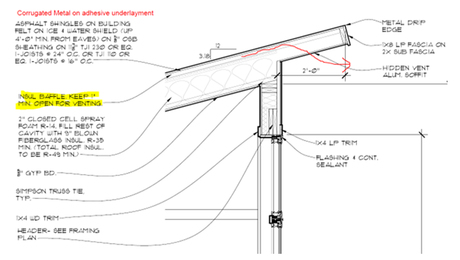
- I know cut-and-cobble insulation is expressly not recommended for an unvented roof, but would a bathtub approach using multiple layers of foam and tape to air-seal (sketch below) provide enough redundancy against air infiltration to limit the risk from this approach? I have lots of polyiso foam, spray foam, caulk, and Zip tape at my disposal, and I am willing to take the time to detail things that no sane contractor would consider. I was considering this approach in conjunction with the Zip air barrier.
 |
RELATED STORIES
- Martin Holladay’s Thoughts on Cut and Cobble
- Patrick’s Barn: Insulating with Garbage
- Insulating Without Sheathing
Question 2: Best ways to waterproof the foundation on a new build
Building a Home writes on the GBA Q&A page:
For my new home build I’m looking at waterproofing below-grade foundation walls with something like Tremco’s Tuff-N-Dri. That choice is based on reading as much as I could find about this topic, including the following: https://www.greenbuildingadvisor.com/article/dampproofing-and-waterproofing-foundation-walls. Based on my understanding from that and other sources, waterproofing (rather than merely dampproofing with asphaltic goo) is important in order to span inevitable cracks and resist hydrostatic pressure. However, the builder says that waterproofing the exterior will drive water from the curing concrete to the interior for up to one year, and therefore asphaltic goo is a wiser choice.
I’ve seen this idea expressed elsewhere. For example, the “Solutions Guide” available as a PDF from the Form-A-Drain webpage says: “Spray-on and peel & stick methods can drive hundreds of gallons of water from concrete as it’s curing to the inside of your basement where you don’t want it—this curing/evaporation process can last up to 3 years.”
I think I understand the advantages of waterproofing and can explain them to the builder, but what do I tell him about why those advantages outweigh the “driving-water-inside” argument? Thanks.
RELATED STORIES
- Dampproofing and Waterproofing for Foundation Walls
- Water Management Below Grade
- Foundation Waterproofing Membrane
Sign up for the FHB Summit.
Thanks to Ian, Brian and Cari for joining me and thanks to all of you for listening. Remember to send us your questions and suggestions to [email protected] and please like, comment, or review us no matter how you’re listening–it helps other folks find our podcast.
Fine Homebuilding Recommended Products
Fine Homebuilding receives a commission for items purchased through links on this site, including Amazon Associates and other affiliate advertising programs.

Reliable Crimp Connectors

Handy Heat Gun

Affordable IR Camera